
True espresso requires high pressure — usually 9 bars of pressure, which only an espresso machine can generate. A regular drip coffee maker does not produce this pressure, so it cannot make authentic espresso. However, you can create a strong, concentrated, espresso-like coffee using a normal coffee maker, French press, or moka pot. This “pseudo espresso” works well for lattes, cappuccinos, iced espresso drinks, and recipes that require a strong base.
No — because real espresso requires:
But you can still make espresso-style coffee. Here’s how.
The goal is to brew a smaller amount of water over more grounds.
Increase the coffee-to-water ratio.
Use 2 tablespoons of coffee per 120 ml (4 oz) of water.
Not as fine as espresso, but finer than standard drip.
Finer grind = stronger extraction.
Make the smallest amount your coffee maker allows.
Similar strength to espresso shots.
For extra strength:
Brew a small batch
Replace the water with the brewed coffee
Brew again
A French press cannot produce espresso crema, but can make a thick, rich concentrate.
Finer grind increases extraction strength.
Grind 100% espresso-fine will make pressing difficult.
A typical espresso ratio is 1:2.
For French press “espresso style,” use:
Example:
20 g coffee → 120–160 ml water
Longer steeping causes bitterness.
Extract the concentrate.
A thick, bold coffee suitable for milk-based drinks.
If your customer base includes moka users, this section boosts product relevance.
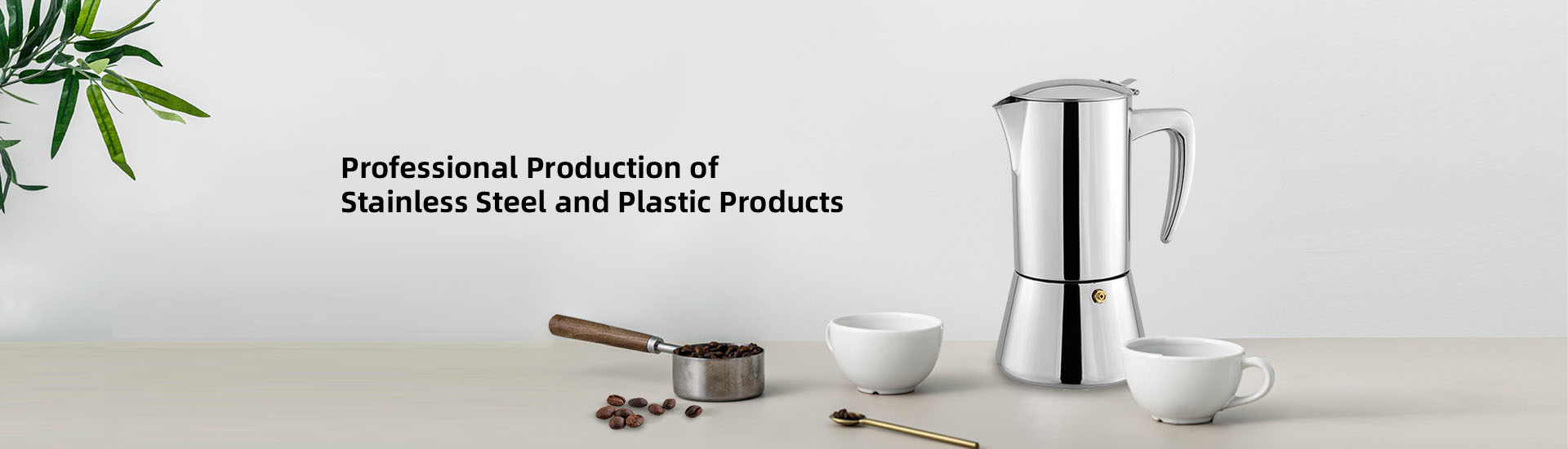
A moka pot (stovetop espresso maker) uses steam pressure and produces the closest espresso alternative.
Builds 1–2 bars of pressure
Uses fine grounds
Produces a strong, syrupy coffee
but it is the closest you can get without an espresso machine.
Espresso is traditionally made from dark roast beans.
Hard water makes coffee bitter and chalky.
Preheat your cup with hot water.
Traditional Italian baristas call this “cremina.”
Even if it’s not real espresso, you can use it for:
A regular coffee maker cannot create real espresso because it lacks the high pressure required for authentic extraction. However, you can still make espresso-style concentrate using a drip coffee maker, French press, or moka pot. By adjusting grind size, increasing coffee quantity, and reducing water volume, you can create a bold, rich coffee base that works extremely well for lattes, cappuccinos, and iced espresso drinks.
For the closest espresso alternative without an espresso machine, a moka pot or pressurized stovetop brewer delivers the strongest result.

 WhatsApp:
 Phone:
 Contact Now