
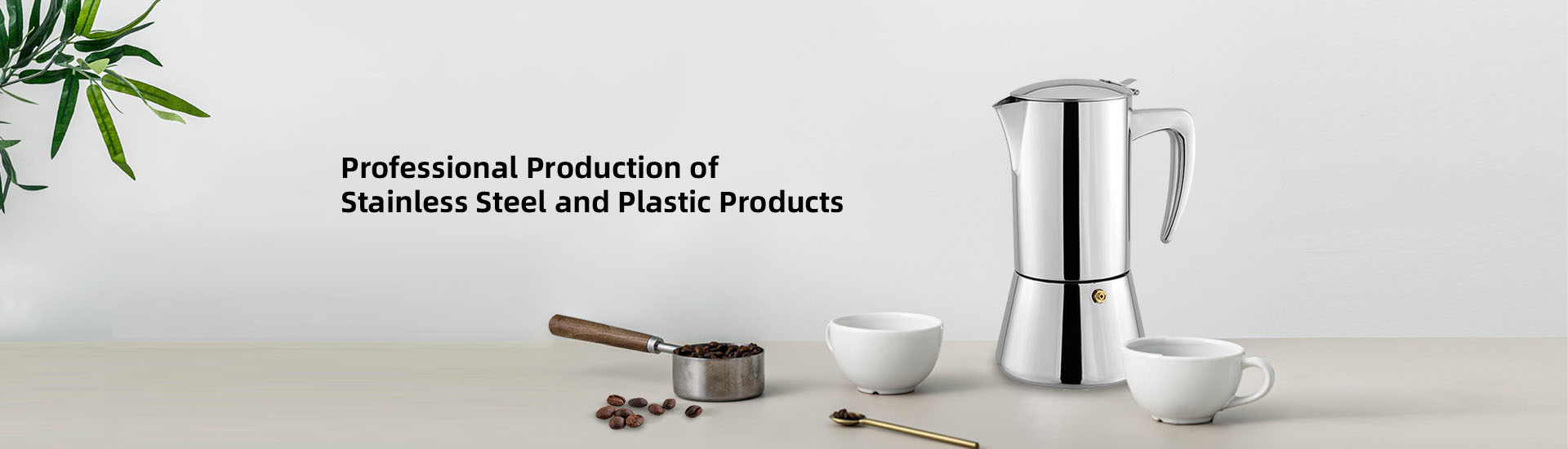
coffee makers are among the most frequently used small kitchen appliances in homes, offices, and hospitality settings. Because they contain water reservoirs, warm surfaces, and areas where coffee residue can collect, they are also susceptible to mold growth when not properly cleaned. Left untreated, mold not only impacts taste and aroma but can also pose health concerns. Understanding how to clean a moldy coffee maker not only restores performance but safeguards users and extends the machine’s service life.
Sellwell International Enterprises Limited develops and supplies a wide range of kitchen and beverage appliances, including coffee makers and related accessories, with materials and designs that support easier cleaning and prolonged hygiene.
Mold thrives where moisture remains and organic residue collects. In coffee makers, common triggers include:
Water left in the reservoir after brewing
Coffee oils and fine grounds trapped in filters and tubing
Warm internal surfaces between brews
Infrequent or inadequate cleaning routines
Sellwell’s coffee maker lines are engineered with removable water tanks and accessible filter components to reduce the likelihood of hidden mold growth in everyday use.
Always disconnect the coffee maker from power before cleaning. Remove all detachable parts:
Water reservoir
Filter basket or holder
Carafe or brewing pot
Drip tray
Products designed for ease of disassembly make mold remediation simpler and more thorough.
Wash all removable parts with warm water and mild detergent:
Use soft brushes to reach corners
Avoid abrasive tools that can scratch surfaces
Rinse and thoroughly dry each part
Sellwell focuses on durable, food-contact-safe materials that tolerate repeated cleaning without degrading in finish or performance.
Mold can develop inside the internal water lines and heating path:
Fill the reservoir with a cleaning solution suitable for beverages
Run a full clean cycle without coffee grounds
Repeat with clear water until no residue or smell remains
This process helps dislodge unseen deposits and improves the overall hygiene of the internal system.
Multiple rinse cycles are essential:
Run at least two cycles of clean water
Ensure no cleaning agent remains
Allow all components to air-dry fully before reassembly
Drying is crucial because residual moisture inside non-removable passages creates ideal conditions for mold to return.
Routine care should include:
Emptying and rinsing the water reservoir daily
Washing removable parts after each use
Running a cleaning cycle weekly if used frequently
Allowing the machine to dry with the reservoir lid open
Sellwell’s appliance design emphasizes smooth surfaces and accessible parts that facilitate regular cleaning and reduce mold retention points.
Coffee makers with the following features are easier to keep mold-free:
Stainless steel and BPA-free plastics
Detachable water tanks
Filter baskets that lift out completely
Surfaces that do not trap residue
Sellwell’s manufacturing quality incorporates these characteristics to meet the needs of international markets and diverse usage scenarios.
Avoid approaches that can cause damage or leave harmful residue:
Do not use bleach or harsh household chemicals
Do not scrub plastic or metal parts with abrasive pads
Do not reassemble while parts are still wet
Do not postpone cleaning once mold is detected
Incorrect cleaning may degrade components and foster future growth.
Cleaning a moldy coffee maker requires careful attention to both visible and hidden areas. By unplugging, disassembling, washing, flushing, rinsing, and thoroughly drying all parts, users can restore a healthy brewing environment. Regular maintenance and thoughtful design—such as that embodied in Sellwell’s range of kitchen and beverage appliances—make mold prevention faster, easier, and more reliable.
A clean coffee maker not only produces better tasting coffee but also supports health, appliance longevity, and user satisfaction on every brew.
Previous: Can A Coffee Maker Boil Water

 WhatsApp:
 Phone:
 Contact Now