
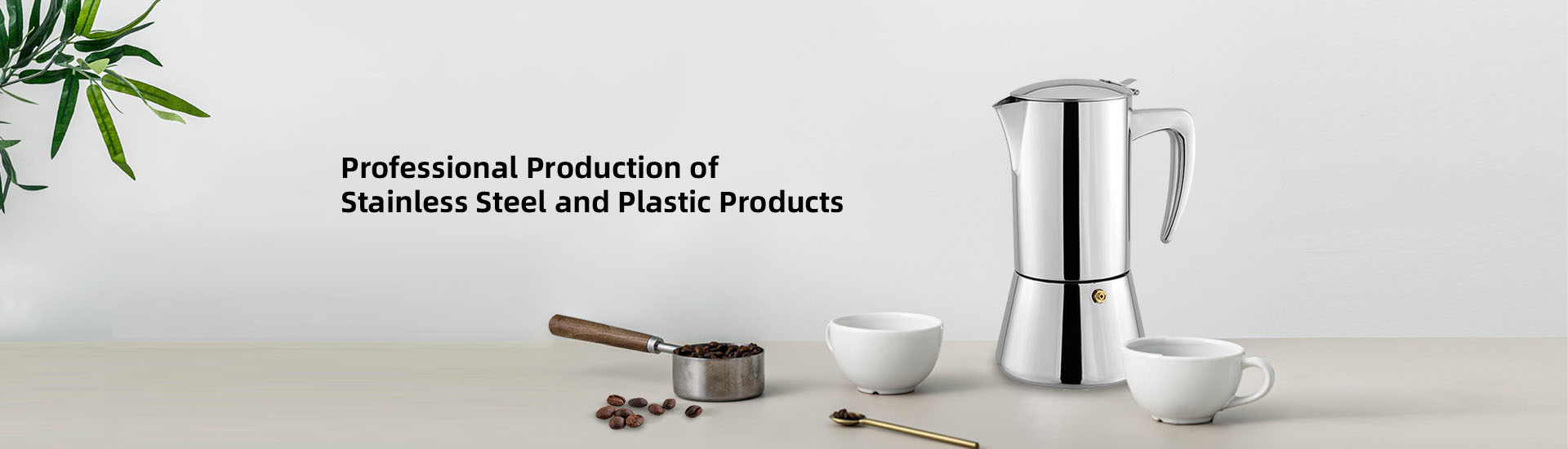
Many users wonder whether a coffee maker can boil water, especially when using it for tasks beyond brewing coffee. The short answer is most coffee makers do not boil water in the strict sense, but they do heat water to temperatures that are sufficient for coffee extraction and many everyday uses. Understanding how a coffee maker heats water helps clarify its real capabilities and limitations.
As a manufacturer and supplier of coffee makers and beverage appliances, Sellwell International Enterprises Limited designs products around controlled heating, safety, and consistent performance, rather than high-temperature boiling.
Water is considered boiling at 100°C (212°F) at sea level. At this temperature, water produces continuous bubbles and vigorous steam. True boiling requires sustained high heat and precise temperature control.
Most coffee makers are not engineered to reach or maintain this point, because boiling is unnecessary and even undesirable for brewing coffee.
Coffee makers heat water using an internal heating element that raises the water temperature as it passes through the system.
Typical operating temperature:
Approximately 90–96°C (194–205°F)
This range is intentionally chosen because:
It is ideal for extracting coffee flavor
It avoids burning coffee grounds
It reduces excessive steam pressure
It improves energy efficiency and safety
Sellwell coffee makers are designed to maintain this optimal brewing range with stable, repeatable heating rather than aggressive boiling.
In most cases:
The water gets very hot, close to boiling
It may produce steam
It usually does not reach a rolling boil
Some coffee makers may briefly approach boiling temperature, but they are not built to sustain it. Internal thermostats typically limit maximum temperature to protect components and users.
From a manufacturing and safety perspective, there are several reasons:
Boiling creates excess pressure in internal tubing
High temperatures accelerate material wear
Steam buildup increases safety risks
Coffee quality decreases at boiling temperatures
Sellwell focuses on controlled heating systems that balance performance, durability, and user safety, rather than maximizing temperature output.
Although it does not fully boil, hot water from a coffee maker is suitable for some tasks:
Preparing instant coffee or tea
Preheating cups or carafes
Mixing powdered beverages
Rinsing filters or accessories
However, it is not recommended for:
Sterilization
Cooking foods that require boiling
Replacing a kettle in regular use
For these applications, a dedicated electric kettle is more appropriate.
Well-designed coffee makers typically include:
Stable heating elements
Temperature-limiting thermostats
Food-contact-safe materials
Smooth internal water paths
Sellwell integrates these features into its coffee maker products to ensure reliable brewing temperatures and long service life without overheating.
Steam does not always mean boiling
Hot water suitable for coffee is not the same as boiling water
Coffee makers prioritize extraction quality, not maximum heat
Forcing boiling conditions may damage the appliance
Understanding these distinctions helps users avoid misuse.
A coffee maker does not truly boil water, but it heats water to a temperature range that is ideal for brewing coffee and many light hot-water uses. This controlled heating approach supports better flavor, safer operation, and longer product lifespan.
Coffee makers designed with proper thermal control—such as those developed and supplied by Sellwell International Enterprises Limited—focus on precision, safety, and consistency, rather than reaching unnecessary boiling temperatures.

 WhatsApp:
 Phone:
 Contact Now