
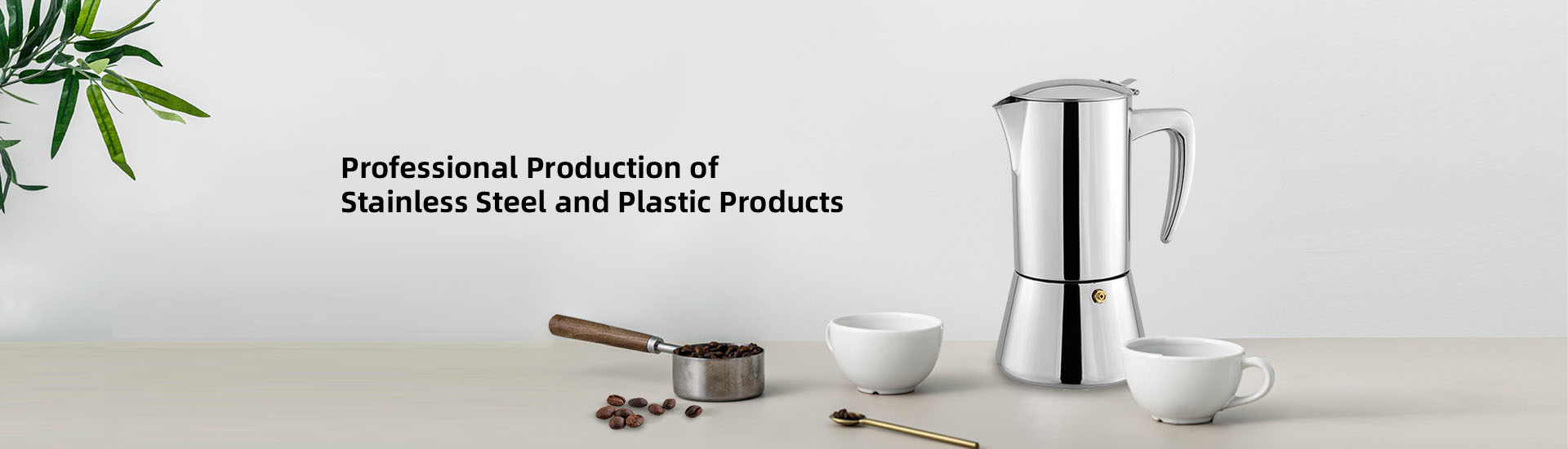
A coffee maker works by heating water, moving it through ground coffee at a controlled temperature, and extracting flavor in a consistent and repeatable way. While the operation appears simple from the outside, the internal process is carefully engineered to balance temperature, timing, and safety.
As a manufacturer and exporter of kitchen and beverage appliances, Sellwell International Enterprises Limited designs coffee makers around these core principles to ensure stable brewing performance, easy maintenance, and long service life across household and commercial use scenarios.
The primary function of a coffee maker is not to boil water, but to:
Heat water to the optimal brewing range
Deliver that water evenly through coffee grounds
Control flow rate and contact time
Produce consistent flavor without overheating
This controlled process distinguishes coffee makers from kettles or general heating devices.
The process begins when clean water is poured into the water reservoir.
Key design considerations:
Food-contact-safe materials
Smooth internal surfaces to reduce residue buildup
Easy removal for cleaning
Sellwell coffee makers typically use detachable or wide-opening reservoirs, which help users clean and dry the tank thoroughly, reducing odor and mold risk.
When the machine is switched on, an internal heating element begins warming the water.
Important details:
Water is heated to approximately 90–96°C
This range is ideal for coffee extraction
Temperature is limited by thermostats for safety
Unlike boiling, this controlled heating prevents burning coffee grounds and protects internal components.
As the water heats, pressure naturally pushes it upward through internal tubing.
This movement is driven by:
Expansion of heated water
Gravity-based flow design
Precisely sized channels
Well-designed coffee makers avoid sharp turns or dead zones in tubing. Sellwell applies smooth internal flow path design to help prevent residue accumulation and ensure reliable water circulation.
The heated water is distributed over ground coffee held in a filter basket.
Key factors at this stage:
Even water distribution
Proper flow speed
Consistent contact time
Paper filters or reusable filters trap coffee grounds while allowing extracted liquid to pass through.
After extraction, the brewed coffee flows downward into the carafe or coffee pot.
Design goals include:
Heat retention without overheating
Stable placement on warming surfaces
Easy pouring and cleaning
Sellwell develops carafes and related accessories with durable materials and balanced structure, supporting frequent daily use.
Throughout the brewing process, safety systems remain active.
These typically include:
Automatic temperature cut-off
Overheat protection
Controlled warming plate operation
Such features are essential for preventing damage and ensuring safe operation in both home and office environments.
From an engineering perspective, boiling is unnecessary and undesirable.
Reasons include:
Boiling damages coffee flavor
Excess steam increases pressure risk
Higher temperatures accelerate wear
Energy efficiency decreases
Coffee makers are intentionally designed for precision heating, not maximum temperature output.
While styles vary, the working principle remains consistent:
drip coffee makers use gravity and controlled flow
Single-serve systems rely on portioned extraction
Manual pour-over systems depend on user-controlled water flow
In all cases, temperature stability and flow control determine brewing quality.
How a coffee maker works also explains why regular cleaning matters.
Residue buildup affects:
Heating efficiency
Water flow consistency
Taste and aroma
Hygiene and safety
Sellwell designs coffee makers with removable parts and accessible structures, encouraging proper maintenance and long-term performance.
Steam does not mean water is boiling
Faster heating does not mean better coffee
Stronger heat does not improve extraction
Poor cleaning disrupts internal operation
Understanding the actual working process helps users avoid misuse.
A coffee maker works by heating water to a precise range, guiding it through coffee grounds at a controlled pace, and safely delivering brewed coffee into a container. The system is carefully balanced to protect flavor, ensure safety, and support consistent results.
Coffee makers developed with thoughtful structure, food-safe materials, and reliable thermal control—such as those produced by Sellwell International Enterprises Limited—demonstrate how engineering, usability, and hygiene come together in everyday beverage appliances.

 WhatsApp:
 Phone:
 Contact Now