
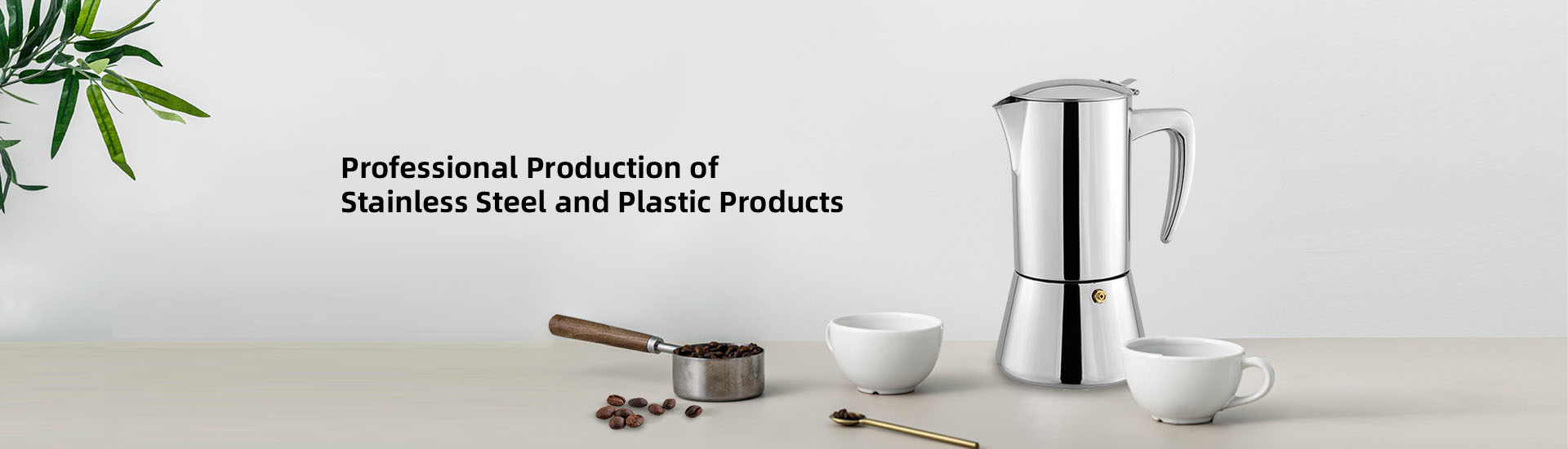
Measuring coffee correctly is one of the most important steps in making consistently good coffee with a coffee maker. Using too little coffee results in weak, flat flavor, while using too much can cause bitterness, slow brewing, or overflow. Accurate measurement helps achieve balanced extraction and allows the coffee maker to perform as designed.
As a manufacturer and supplier of coffee makers and beverage appliances, Sellwell International Enterprises Limited develops products based on standard brewing ratios, stable heating performance, and even water distribution, making correct coffee measurement especially effective and repeatable.
Proper measurement directly affects:
Flavor balance and aroma
Brewing speed and flow consistency
Coffee strength from cup to cup
Efficient use of coffee grounds
Even high-quality coffee makers rely on correct input ratios to deliver reliable results.
The most widely used guideline for drip coffee makers is:
1 to 2 tablespoons of ground coffee per 6 ounces of water
This range works well with most household coffee makers.
1 tablespoon produces a lighter cup
2 tablespoons produces a stronger, fuller-bodied cup
Sellwell coffee makers are designed to brew within this ratio range, supporting consistent extraction without overheating or uneven flow.
1 level tablespoon ≈ 5–6 grams of ground coffee
Always level the spoon for consistency
Avoid heaping spoonfuls unless intentionally adjusting strength
This method is convenient and widely used for everyday brewing.
For greater precision, measuring by weight is recommended.
Standard ratio by weight: 1:15 to 1:18 (coffee to water)
Example:
300 milliliters of water
16–20 grams of ground coffee
This approach is especially useful for users who brew multiple cups or want repeatable results.
1 tablespoon or 6–7 grams of coffee
1.5–2 tablespoons or 9–12 grams
Multiply the ratio based on total water volume
Maintain the same proportion to preserve flavor consistency
Sellwell coffee makers feature even water dispersion, which allows measured coffee amounts to perform consistently across small and large brews.
Many coffee makers define one “cup” as 5–6 ounces, not the standard 8-ounce cup.
This means:
A 10-cup coffee maker usually brews 50–60 ounces
Measurement should be based on the machine’s markings, not mug size
Understanding this distinction prevents under- or over-measuring coffee.
Grind size affects extraction and perceived strength.
Medium grind works best for drip coffee makers
Finer grinds may require slightly less coffee
Coarser grinds may require slightly more
Coffee makers designed with stable water temperature and flow—such as those supplied by Sellwell—help reduce sensitivity to minor grind variations, but proper measurement still matters.
Guessing coffee amounts without measuring
Using different spoon sizes inconsistently
Confusing coffee maker “cups” with standard cups
Ignoring grind size differences
These mistakes lead to inconsistent taste and brewing performance.
Use the same measuring method every time
Measure both coffee and water accurately
Keep coffee grounds fresh and evenly ground
Clean the coffee maker regularly to avoid residue buildup
Appliances built with accessible components and stable brewing systems make it easier to maintain consistency over time.
Measuring coffee in a coffee maker is about maintaining the right balance between coffee and water. The general rule of 1–2 tablespoons per 6 ounces of water, or a 1:15 to 1:18 ratio by weight, provides reliable results for most users.
When paired with coffee makers designed for consistent heating and water distribution—such as those developed by Sellwell International Enterprises Limited—accurate measurement allows users to enjoy dependable flavor, reduced waste, and a better coffee experience every day.

 WhatsApp:
 Phone:
 Contact Now