
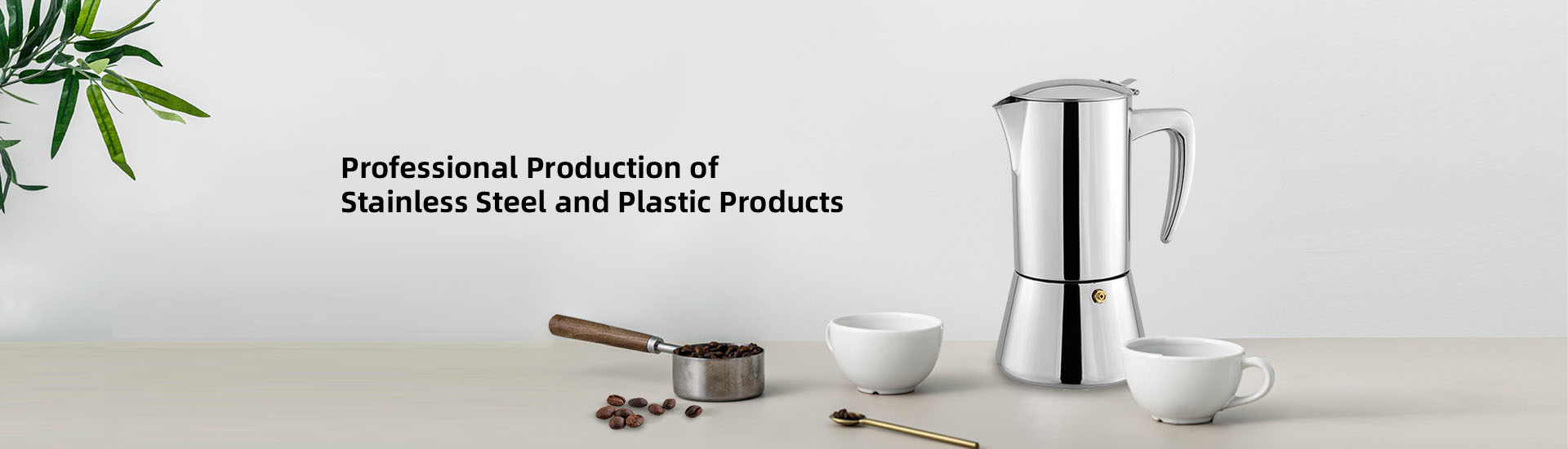
The water reservoir is one of the most important and most overlooked parts of a coffee maker. It holds standing water, comes into direct contact with heat, and feeds the internal brewing system. If it is not cleaned regularly, mineral deposits, biofilm, odors, and even mold can develop, directly affecting coffee taste and machine hygiene.
As a manufacturer and supplier of coffee makers and beverage appliances, Sellwell International Enterprises Limited designs products with food-contact-safe reservoir materials, smooth internal surfaces, and user-accessible structures, making reservoir cleaning safer and more effective for daily users.
The water reservoir is especially vulnerable because:
Water often sits inside between uses
Minerals from tap water accumulate over time
Warm conditions encourage residue buildup
Residual moisture promotes odor and microbial growth
Even if coffee tastes acceptable, an unclean reservoir can reduce appliance lifespan and compromise hygiene.
Before cleaning:
Switch the Coffee Maker off
Unplug it from the power source
Allow it to cool completely
This prevents electrical risk and protects internal components during cleaning.
If the reservoir is detachable, remove it completely.
Sellwell coffee makers commonly use removable or wide-opening reservoirs, allowing users to clean all internal surfaces directly rather than relying only on internal flushing.
If the reservoir is fixed, extra care is needed during manual cleaning to avoid spilling water into electrical areas.
Use warm water and a mild dish detergent.
Best practices:
Use a soft sponge or bottle brush
Clean corners, seams, and the base thoroughly
Avoid abrasive pads that can scratch surfaces
Rinse multiple times to remove soap residue
Smooth reservoir surfaces are easier to clean and less likely to trap buildup, which is a key design consideration in Sellwell products.
If you notice cloudy residue, white scale, or unpleasant smells:
Fill the reservoir with a mild descaling solution suitable for beverage appliances
Let it sit briefly to loosen buildup
Gently scrub affected areas
Rinse thoroughly until water runs clear
Mineral deposits are common in hard-water regions and should be addressed regularly to maintain proper water flow.
The area where the reservoir connects to the coffee maker can also collect residue.
Wipe the outlet area with a damp cloth
Ensure no debris blocks water flow
Dry carefully before reattaching
A clean connection supports consistent brewing performance and reduces internal contamination.
After washing:
Air-dry the reservoir fully
Dry the lid and any seals
Avoid reassembling while moisture remains
Leaving the reservoir lid open between uses helps prevent trapped moisture and odor formation.
Recommended frequency:
Rinse and dry every few days for daily use
Wash with detergent weekly
Deep clean more frequently in hard-water areas
Clean immediately after long periods of non-use
Regular attention prevents heavy buildup and reduces the need for aggressive cleaning later.
Using harsh chemicals not intended for food-contact surfaces
Scrubbing with abrasive tools that damage plastic
Ignoring odors or discoloration
Leaving water sitting in the reservoir for long periods
These practices increase the risk of residue accumulation and material degradation.
From a manufacturing perspective, reservoirs that are easier to keep clean typically feature:
Food-grade materials with low absorption
Smooth internal geometry
Detachable construction
Clear visibility for inspection
Sellwell integrates these design principles to help users maintain hygiene with minimal effort and consistent results.
Cleaning the water reservoir in a coffee maker is a simple but essential maintenance step. By removing the reservoir, washing it thoroughly, addressing mineral buildup, and allowing complete drying, users protect coffee flavor, appliance performance, and long-term reliability.
Coffee makers designed with accessible reservoirs and durable, food-safe materials—such as those supplied by Sellwell International Enterprises Limited—make routine cleaning easier, supporting safe daily use and consistently better coffee.

 WhatsApp:
 Phone:
 Contact Now