
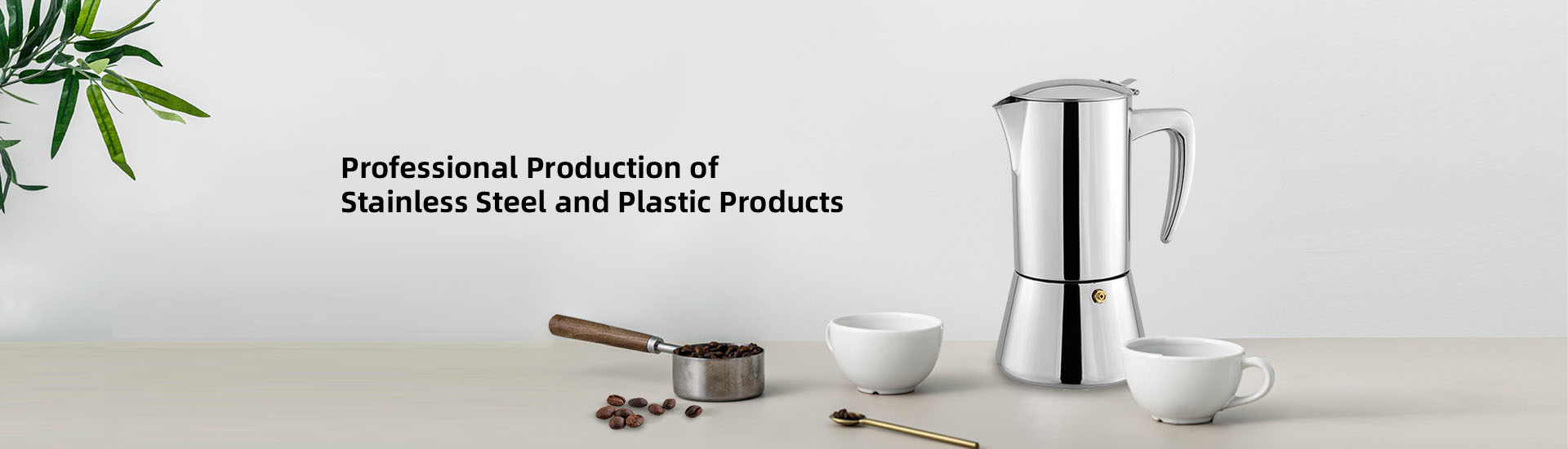
Descaling a coffee maker is the process of removing mineral deposits that build up inside the machine over time, primarily from hard water. These deposits—mainly calcium and magnesium—form scale on internal heating elements and water channels, gradually affecting brewing performance, temperature stability, and coffee taste.
As a manufacturer and supplier of coffee makers and beverage appliances, Sellwell International Enterprises Limited designs its products with food-contact-safe materials and internal structures compatible with regular descaling, making this maintenance step an essential part of long-term, reliable use.
Most tap water contains dissolved minerals. Each time water is heated and circulated inside a Coffee Maker:
Minerals separate from the water
Deposits adhere to heating elements and tubing
Scale layers gradually thicken over repeated cycles
This process happens silently and internally, even when the machine appears clean on the outside.
Failure to descale regularly can lead to several problems:
Slower brewing and reduced water flow
Inconsistent water temperature
Bitter, flat, or metallic coffee taste
Increased strain on the heating system
Shortened appliance lifespan
In automatic and single-serve machines, scale buildup can also interfere with sensors and internal valves.
Descaling uses a mild acidic solution to dissolve and flush away mineral buildup from internal components.
During descaling:
Acid reacts with calcium deposits
Scale breaks down into water-soluble compounds
Residue is flushed out through normal water paths
This restores the coffee maker closer to its original operating condition.
It is important to distinguish between the two:
Cleaning removes coffee oils, residue, and visible dirt
Descaling removes invisible mineral scale inside the system
Both are necessary, but descaling specifically targets problems caused by water hardness.
Sellwell coffee makers are developed to support both surface cleaning and internal descaling as part of normal maintenance.
Descaling frequency depends on several factors:
Water hardness
Frequency of coffee maker use
Machine type and capacity
General guidelines:
Every 1–2 months for regular household use
More frequently in hard-water areas
After long periods of non-use
Regular descaling prevents heavy buildup that is harder to remove later.
Common indicators include:
Longer brewing times
Unusual noises during heating
Lower brew temperature
White or chalky residue
Noticeable decline in coffee flavor
These signs suggest scale is restricting normal water flow or heat transfer.
From a manufacturing perspective, coffee makers that are easier to descale typically feature:
Smooth internal water channels
Stable heating surfaces
Clear reservoir markings for solution measurement
Materials resistant to mild acidic solutions
Sellwell integrates these design principles to ensure descaling can be performed safely and effectively without damaging internal components.
Descaling is not:
Scrubbing internal parts manually
Using harsh industrial chemicals
A one-time procedure
It is a routine maintenance process that should be performed regularly throughout the life of the coffee maker.
Descaling a coffee maker means removing mineral scale from the internal water and heating system to restore proper brewing performance, protect components, and preserve coffee flavor. It is a critical maintenance step, especially in areas with hard water or frequent machine use.
Coffee makers designed with durable materials and maintenance-friendly internal structures—such as those supplied by Sellwell International Enterprises Limited—allow descaling to be a straightforward, safe, and effective part of everyday appliance care.

 WhatsApp:
 Phone:
 Contact Now