
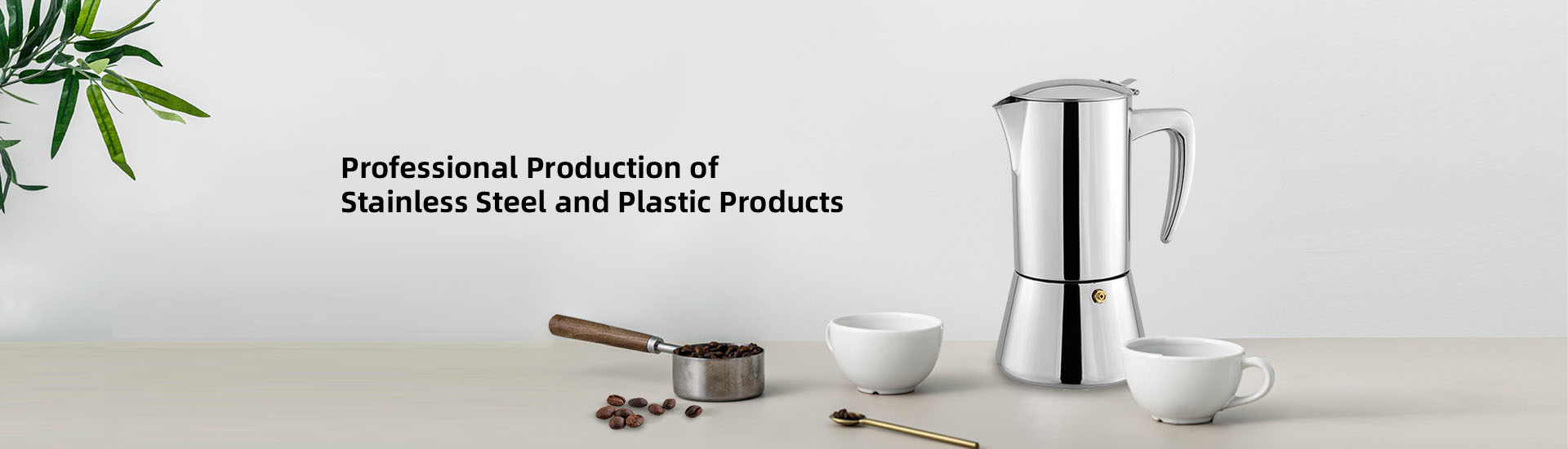
Professional Brewing Guide with Manufacturing Insight
Making coffee in a coffee maker appears simple, yet achieving consistent flavor, proper extraction, and stable performance depends on both brewing technique and machine engineering quality. Whether for household use, hospitality projects, or bulk procurement, understanding the brewing process helps ensure long-term equipment reliability and beverage consistency.
Step 1: Choose the Right Coffee-to-Water Ratio
For drip coffee makers, the recommended ratio is:
1:15 coffee-to-water ratio
Approximately 60 grams of coffee per 1 liter of water
Using too little coffee results in weak extraction, while too much leads to bitterness. Consistency is important, especially in commercial environments where taste stability affects customer perception.
Well-engineered coffee makers maintain brewing temperatures between 90°C and 96°C, which is the optimal extraction range recognized in industry standards.
Step 2: Use Proper Grind Size
Drip coffee makers require a medium grind texture. A grind that is too fine may cause over-extraction and slow water flow. A grind that is too coarse leads to under-extraction and weak flavor.
Stable water flow is influenced by:
Shower head water distribution design
Internal tube diameter precision
Filter basket engineering
Manufacturers with controlled mould accuracy ensure even water dispersion over coffee grounds.
Step 3: Fill the Water Reservoir Correctly
Use clean, filtered water when possible. Hard water with high mineral content may lead to scale buildup inside:
Heating tubes
Internal chambers
Water flow channels
Water quality directly affects both taste and machine lifespan.
Factories that use food-grade stainless steel internal components reduce corrosion risk and improve long-term performance stability.
Step 4: Insert Filter and Add Coffee Grounds
Place the paper or reusable filter into the basket. Add measured coffee grounds evenly and avoid compressing them. Even surface leveling promotes uniform extraction.
High-quality coffee makers feature:
Properly angled filter baskets
Consistent water spray patterns
Stable brewing time control
These design elements contribute to predictable flavor results.
Step 5: Start the Brewing Cycle
Press the power button and allow the machine to complete its cycle. A standard 1-liter brew typically takes 5–8 minutes, depending on wattage and heating efficiency.
Common wattage range:
800W–1200W for drip machines
1000W–1500W for enhanced heating models
Machines with calibrated thermostats maintain stable water temperature throughout the brew cycle, avoiding under-extraction.
Step 6: Serve Immediately
Coffee is best served within 20 minutes of brewing. Prolonged heating on warming plates may alter taste due to oxidation.
Manufacturers that integrate automatic shut-off or controlled warming systems reduce energy waste and preserve beverage quality.
Manufacturer vs Trader: Why It Matters in Coffee Maker Performance
When sourcing coffee makers for retail or commercial projects, distinguishing between a manufacturer and a trading intermediary is critical.
Direct Manufacturer Advantages
Full control over heating system engineering
Internal quality calibration
Stable production standards
Structured functional testing
Technical support for customization
Trader Limitations
Limited visibility into component sourcing
No direct control over production tolerances
Reduced ability to modify heating efficiency
For bulk supply, manufacturer partnership ensures consistent brewing performance across large production runs.
OEM / ODM Process for Coffee Maker Production
Structured OEM / ODM development typically includes:
Design feasibility review
Prototype development
Heating element configuration
Water flow calibration
Brew temperature validation
Mass production testing
Customization options may include:
Adjustable brew strength modes
Thermal carafe integration
Automatic shut-off timing
Digital temperature control
Early engineering validation ensures product stability before large-scale deployment.
Bulk Supply Considerations
For offices, hotels, or retail chains, buyers should evaluate:
Brew consistency across units
Heating recovery speed
Cleaning accessibility
Replacement filter compatibility
Spare part availability
Reliable factories maintain production traceability and consistent output quality for high-volume orders.
Manufacturing Process Overview
Coffee maker production typically involves:
Incoming inspection of heating components
Precision assembly of water lines
Electrical wiring testing
Temperature calibration
Functional brewing tests
Final inspection before packaging
Disciplined assembly reduces defect rates and improves brewing stability.
Quality Control Checkpoints
Reliable production includes:
Insulation resistance testing
Wattage accuracy validation
Water leakage inspection
Brewing time measurement
Final operational verification
These checkpoints ensure machines perform according to design specifications.
Material Standards Used
High-performance coffee makers incorporate:
Food-grade stainless steel water channels
Heat-resistant plastics
Certified copper wiring
Durable silicone seals
Corrosion-resistant internal components
Material discipline influences both beverage taste and equipment lifespan.
Export Market Compliance
Coffee makers distributed globally must meet:
Electrical safety regulations
Voltage and frequency requirements
Electromagnetic compatibility standards
Environmental material directives
Certification documentation for customs clearance
Experienced manufacturers integrate compliance into production planning, reducing risk for bulk buyers.
Conclusion
Making coffee in a coffee maker involves correct ratio measurement, appropriate grind size, stable water temperature, and proper brewing timing. However, long-term performance and flavor consistency depend on engineering precision, material quality, and disciplined manufacturing processes.
For procurement teams and commercial sourcing projects, partnering directly with a structured manufacturer that maintains strong OEM / ODM capability, comprehensive quality control checkpoints, stable bulk production capacity, and export compliance expertise ensures reliable brewing performance and cost-efficient supply over time.

 WhatsApp:
 Phone:
 Contact Now