
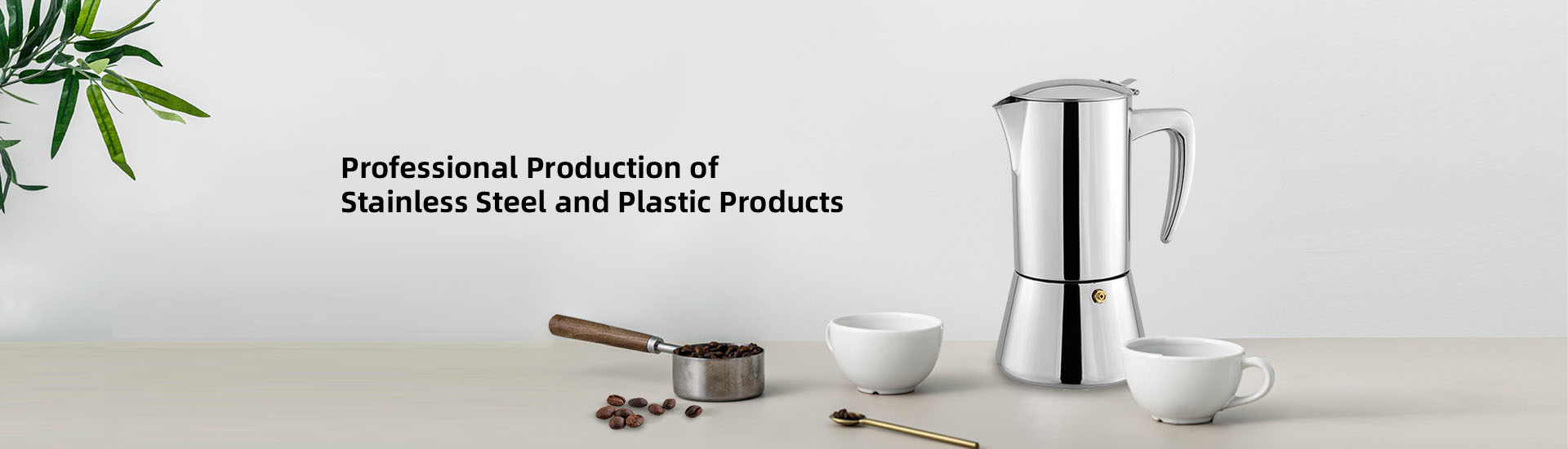
Cleaning a coffee maker regularly is essential for maintaining brewing performance, coffee flavor, and the lifespan of the machine. Over time, mineral deposits from water, coffee oils, and fine coffee particles accumulate inside the reservoir, heating tubes, and internal channels. Without proper cleaning, these residues can slow the brewing process and affect the taste of the coffee.
For daily maintenance, the removable parts of the coffee maker should be cleaned after each use. Components such as the carafe, filter basket, and lid should be rinsed with warm water and mild detergent to remove coffee oils and leftover grounds. This simple step helps prevent residue buildup and keeps the brewing system clean.
In addition to daily cleaning, the internal system of the coffee maker should be descaled regularly. Most manufacturers recommend performing a deep cleaning every one to three months, depending on usage frequency and water hardness. Descaling involves running a cleaning solution, such as diluted white vinegar or citric acid, through the brewing cycle to dissolve mineral deposits inside the heating system and water pipes.
For machines used frequently, especially in office environments or shared kitchens, descaling may be needed more often. Hard water areas can also cause mineral buildup to form more quickly, making more frequent cleaning necessary to maintain proper water flow and brewing temperature.
From a manufacturing perspective, the durability and maintenance requirements of a Coffee Maker depend heavily on the materials and internal structure used during production. Coffee machines manufactured by Sellwell use stainless steel components and heat-resistant plastic structures that help maintain smooth internal water channels and reduce residue buildup during long-term use.
During production, manufacturers typically conduct water flow testing, heating performance verification, and leakage inspections to ensure that the machine maintains stable brewing performance even after repeated cleaning cycles. These quality control checkpoints help confirm that each unit can operate reliably throughout its service life.
For buyers sourcing coffee makers in bulk, maintenance design is an important factor to evaluate. Machines that are easy to clean and maintain generally result in fewer service issues after distribution. Manufacturers with integrated production capabilities and structured quality management systems are better positioned to supply reliable coffee equipment suitable for international markets and large-scale supply.
Previous: How To Repair Coffee Maker

 WhatsApp:
 Phone:
 Contact Now