
A coffee maker may stop working properly after long periods of use due to electrical faults, mineral buildup, or worn internal components. Understanding how to repair a coffee maker helps identify common issues and restore normal brewing performance. Before attempting any repair, the machine should always be unplugged to ensure safety.
One of the most common problems is that the coffee maker does not heat water. This issue is often related to a faulty heating element or a damaged thermostat. If the heating system fails, the machine will not reach the correct brewing temperature and water will not circulate properly. In many cases, replacing the heating element or thermostat can restore normal operation.
Another common issue is slow brewing or blocked water flow. This usually happens when mineral deposits from hard water accumulate inside the heating tube and water channels. Running a descaling cycle using a mixture of water and vinegar or citric acid can dissolve these deposits and improve water circulation. Regular descaling also prevents long-term damage to the internal system.
If the Coffee Maker leaks water during operation, the problem may be caused by worn seals, loose internal tubing, or a damaged water reservoir. Inspecting the internal connections and replacing deteriorated silicone seals can often resolve leakage issues. In some cases, tightening internal fittings may also stop small leaks.
Electrical control problems can also occur, especially in programmable coffee makers. Faulty switches, damaged control boards, or loose wiring may prevent the machine from starting or completing a brewing cycle. These components should be inspected carefully, and replacement parts may be required if the electrical system is damaged.
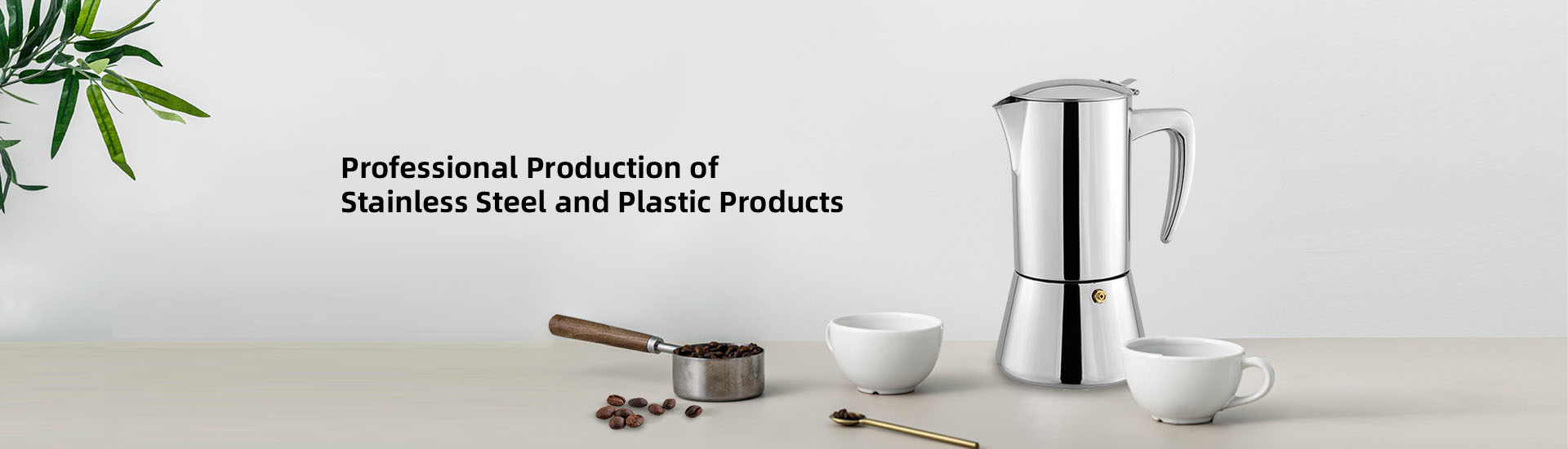
From a manufacturing perspective, the reliability and repairability of a coffee maker depend heavily on its structural design and material quality. Coffee machines manufactured by companies such as Sellwell use stainless steel components and heat-resistant plastic structures to ensure stable performance and long service life. Well-designed internal layouts also make it easier to access key components for maintenance.
During production, manufacturers perform several quality control inspections including heating performance testing, water circulation verification, and leakage detection. These tests help confirm that the machine functions correctly before leaving the factory and reduce the likelihood of operational issues during use.
For buyers sourcing coffee makers in bulk, durability and maintenance design are important considerations. Machines built with reliable materials, stable electronic components, and standardized manufacturing processes generally experience fewer failures and lower service costs. Manufacturers with integrated production capabilities and structured quality management systems are better equipped to provide coffee makers suitable for large-scale supply and international markets.

 WhatsApp:
 Phone:
 Contact Now