
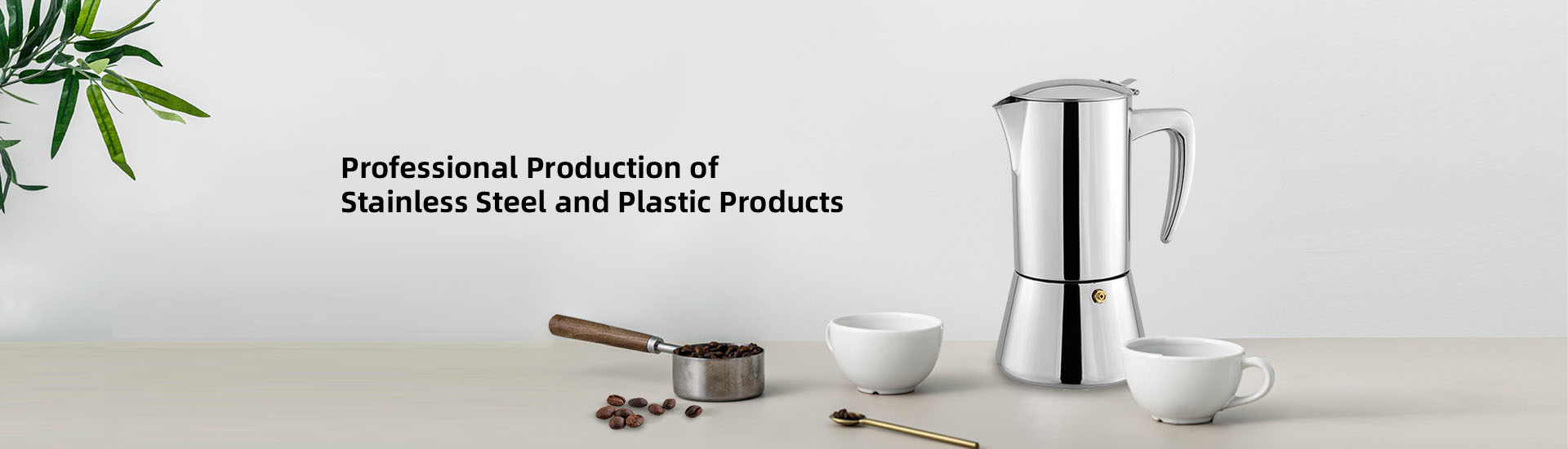
A siphon coffee maker, also known as a vacuum coffee maker, brews coffee using a combination of heat, vapor pressure, and vacuum suction. Unlike drip coffee machines that rely mainly on gravity, a siphon system moves water between two chambers using changes in pressure created by heating and cooling.
A typical siphon coffee maker consists of two chambers, a filter, and a heat source. The lower chamber holds water, while the upper chamber holds ground coffee. These two chambers are connected by a narrow tube that allows water and brewed coffee to move between them during the brewing process.
Heating And Vapor Pressure
The brewing process begins when water in the lower chamber is heated. As the temperature rises, water starts to produce vapor. This vapor increases the pressure inside the bottom chamber and forces hot water upward through the connecting tube into the upper chamber.
Coffee Extraction Stage
Once the hot water reaches the upper chamber, it mixes with the ground coffee. The coffee grounds are gently stirred to ensure even contact with the water. During this stage, the hot water extracts oils, acids, and aromatic compounds from the coffee grounds. The extraction usually takes about 30–60 seconds, depending on the desired strength.
Vacuum Brewing Process
After the brewing time is complete, the heat source is removed. As the lower chamber cools, the vapor pressure decreases and creates a vacuum effect. This vacuum pulls the brewed coffee back down through the filter into the bottom chamber while the coffee grounds remain in the upper chamber.
The physical principle behind this process is related to the relationship between pressure, temperature, and gas volume:PV=nRT
This thermodynamic relationship explains how heating increases pressure and cooling creates a vacuum, allowing the siphon Coffee Maker to move water and brewed coffee between chambers.
Final Brewing Result
Once all the brewed coffee returns to the lower chamber, the upper chamber can be removed. The coffee remaining in the bottom container is ready to serve. Because the brewing process allows precise temperature control and full immersion extraction, siphon coffee makers are known for producing coffee with clear flavor, smooth texture, and balanced aroma.
Manufacturing Considerations
From a manufacturing perspective, siphon coffee makers require precise structural design and durable materials. The chambers must withstand repeated heating and cooling cycles, and the sealing connection between the two chambers must maintain stable pressure during brewing.
Manufacturers like Sellwell produce coffee equipment using heat-resistant glass components, stainless steel parts, and precision assembly processes to ensure structural stability and reliable brewing performance. During production, quality control procedures typically include sealing inspection, pressure stability testing, and structural durability checks to confirm that each unit operates safely and consistently.
For buyers sourcing coffee equipment in bulk, evaluating material quality, filter design, and manufacturing consistency is essential. Suppliers with integrated production capabilities and structured quality management systems are better positioned to provide siphon coffee makers suitable for international markets and large-scale distribution.

 WhatsApp:
 Phone:
 Contact Now