
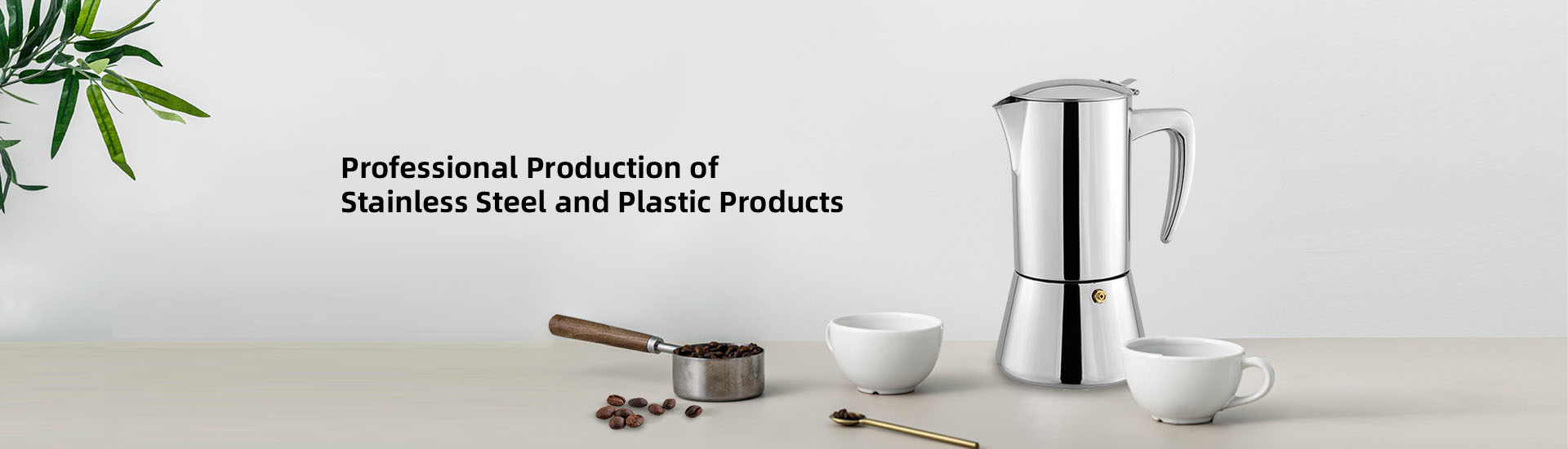
A percolator coffee maker brews coffee by continuously cycling hot water through coffee grounds. Unlike drip coffee machines, which pass water through the grounds only once, a percolator repeatedly circulates water until the desired strength is reached. This brewing method produces strong and full-bodied coffee.
Start by separating the parts of the percolator. Most percolators include a bottom chamber for water, a vertical tube, and a perforated filter basket for coffee grounds. Make sure all components are clean and properly assembled before brewing.
Fill the bottom chamber with fresh water according to the number of cups you want to brew. Many percolators have internal markings to indicate the recommended water level. Avoid overfilling to ensure proper circulation during brewing.
Place the filter basket on the vertical tube and add coarse ground coffee into the basket. Coarse grind coffee works best in percolators because it prevents grounds from passing through the holes during brewing. A common ratio is one tablespoon of coffee per cup of water.
Reassemble the percolator by placing the basket and tube into the water chamber and securing the lid. Then place the percolator on a stovetop or activate the electric heating element if it is an electric model.
As the water heats, it travels up the vertical tube and spills over the coffee grounds in the filter basket. The brewed coffee then drips back down into the water chamber. This process repeats continuously during the brewing cycle.
Percolation usually takes about 5 to 10 minutes depending on the desired strength. Many percolators have a transparent knob on the lid that allows users to observe the brewing process. Once the coffee reaches the preferred strength, remove the percolator from heat.
After brewing is complete, carefully remove the filter basket containing the used coffee grounds. The brewed coffee remains in the bottom chamber and is ready to pour into cups.
From a manufacturing perspective, percolator coffee makers require durable materials that can withstand repeated heating cycles. Stainless steel components are commonly used because they resist corrosion and maintain structural stability under high temperatures.
Manufacturers such as Sellwell produce coffee equipment using stainless steel fabrication and precision assembly processes to ensure stable performance and long-term durability. During production, quality control procedures typically include heating performance testing, structural stability verification, and leakage inspections to confirm reliable operation.
For buyers sourcing coffee equipment in bulk, evaluating material quality, structural design, and manufacturing consistency is essential. Suppliers with integrated production capabilities and structured quality management systems are better positioned to deliver percolator coffee makers suitable for international markets and large-scale distribution.

 WhatsApp:
 Phone:
 Contact Now