
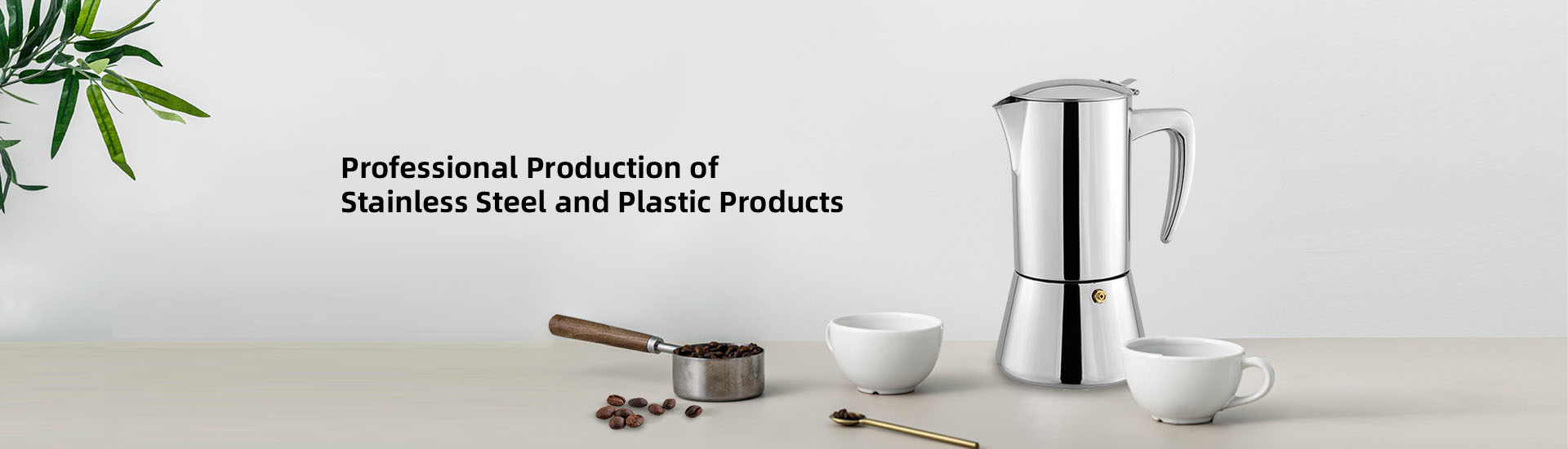
A coffee maker leaking from underneath usually means water is escaping from the tank, internal tube, bottom seal, heating plate area, or carafe connection point. For retailers, distributors, hotel suppliers, and kitchen appliance buyers, bottom leakage is a serious issue because it can affect user safety, countertop cleanliness, product trust, and after-sales cost.
The first cause is an overfilled water tank. When water goes above the maximum line, it may overflow during heating or movement and appear as leakage from the bottom. The second cause is incorrect assembly. If the water tank, filter basket, carafe, anti-drip valve, or lid is not fitted correctly, water may flow into the wrong area and collect underneath the machine.
Problem Area Possible Cause Practical Check
Water tank Overfilled or cracked tank Keep below max line and inspect surface
Bottom seal Aged or loose sealing part Check leakage after filling water
Internal tube Loose or blocked water path Test brewing flow and water pressure
Carafe position Anti-drip valve not triggered Refit carafe correctly
Heating plate area Scale or water overflow Clean and descale regularly
Machine body Transport damage or poor assembly Inspect before shipment
Mineral scale can also create leakage risk. The U.S. Geological Survey explains that hard water contains calcium and magnesium. After repeated heating, these minerals can form scale inside water tubes and outlets. When water flow becomes blocked, pressure may rise in the wrong area and cause dripping, overflow, or leakage under the coffee maker.
For project procurement, leakage testing should be part of sample evaluation. Buyers should test the coffee maker with repeated brewing cycles, full tank operation, carafe removal, anti-drip function, thermal performance, cooling stage, and packaging drop simulation. A machine that passes one short test may still leak after long-term use if sealing parts, water path design, or assembly control are weak.
SELLWELL focuses on coffee maker, Tea Maker, whistling kettle, kitchenware, and household appliance manufacturing. The factory was built in 1991, covers 60,000 square meters, has more than 500 employees, and supports OEM and ODM customization. SELLWELL has passed ISO 9001:2015 and audits including SMETA, BSCI, GMP, and SCAN, helping support stable quality management and bulk order production.
Professional advice is to choose coffee makers with strong tank sealing, reliable anti-drip structure, stable water tube fitting, easy-clean design, clear water level marking, and strong packaging protection. SELLWELL can help customers review product structure, leakage testing standards, material selection, voltage options, packaging, and production planning.

 WhatsApp:
 Phone:
 Contact Now