
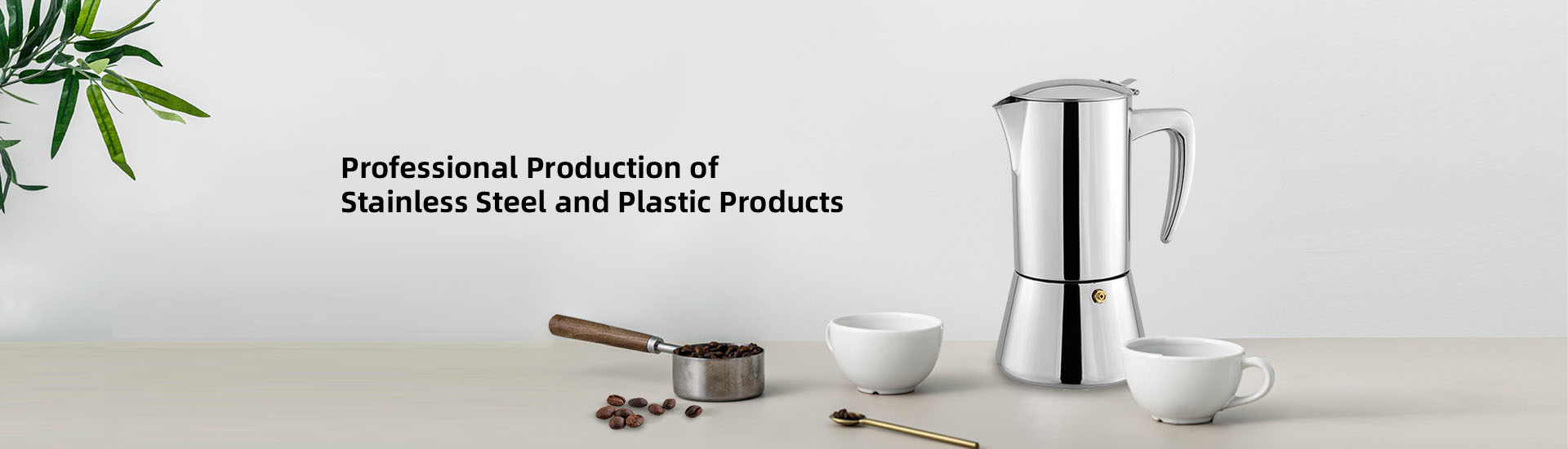
A coffee maker should generally be descaled every one to three months, but the correct interval depends on water hardness, brewing frequency, heating design, and the manufacturer’s instructions. Machines used daily with hard water need more frequent treatment than units used occasionally with soft water.
The United States Geological Survey classifies water containing 0 to 60 mg/L of calcium carbonate as soft, 61 to 120 mg/L as moderately hard, 121 to 180 mg/L as hard, and more than 180 mg/L as very hard.
For soft water, descaling every three months may be sufficient. For moderately hard water, every one to two months is more suitable. Hard or very hard water may require monthly descaling, especially in frequently used machines.
Slow water flow, longer heating time, unusual noise, visible white deposits, and changes in brewing temperature indicate that cleaning may be overdue. Always use a descaling agent approved for the machine materials and rinse the water system thoroughly afterward.
Scale develops around heating elements, water tubes, valves, and metal surfaces. Material selection, internal channel design, and access for cleaning affect long-term maintenance.
A direct manufacturer can control stainless steel forming, plastic injection, heating components, assembly, leakage testing, and cleaning instructions. A trader usually has less direct control over internal construction and repeated-order consistency.
Our factory covers about 60,000 square metres and employs approximately 500 people. Stainless steel processing and plastic injection capabilities support OEM and ODM coffee maker projects from structural design and sample approval to production and customized packaging.
Confirm water-contact materials, capacity, voltage, plug type, heating performance, removable parts, cleaning instructions, logo, packaging, and spare components.
Quality checkpoints should cover leakage, heating stability, plastic odor, lid fitting, handle strength, stainless steel finish, and descaling access. Export orders should also confirm food-contact documentation, electrical safety reports, warning labels, packaging language, and destination-market requirements.

 WhatsApp:
 Phone:
 Contact Now