
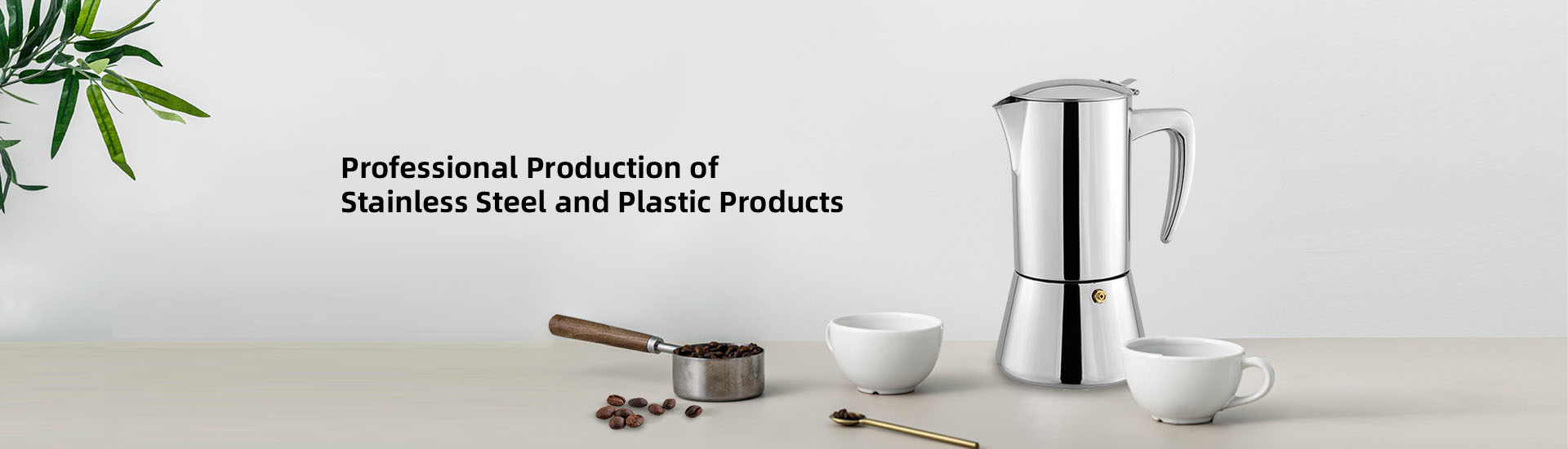
Making espresso requires precise control of coffee extraction, water pressure, temperature, and brewing time. While traditional espresso machines are designed specifically for high-pressure extraction, many coffee products use different brewing structures to create concentrated coffee experiences. Understanding the brewing process helps manufacturers develop products that meet different market requirements.
According to the Specialty Coffee Association, espresso extraction depends on factors such as water temperature, grind size, brewing pressure, and extraction time. These elements influence coffee strength, aroma, and flavor balance.
From a manufacturer’s perspective, producing reliable coffee products requires more than focusing on appearance. Product structure, material selection, manufacturing accuracy, and quality control all influence the final user experience.
Espresso is created by forcing hot water through finely ground coffee under controlled conditions. Traditional espresso preparation requires stable pressure and temperature control to achieve consistent extraction.
Important brewing factors include:
| Brewing Factor | Influence On Espresso Quality |
|---|---|
| Water temperature | Affects extraction performance |
| Coffee grind size | Controls brewing speed |
| Water pressure | Influences coffee concentration |
| Brewing time | Changes flavor balance |
For coffee product manufacturers, understanding these factors helps improve product design and develop suitable brewing solutions for different markets.
The difference between a manufacturer and a trader becomes important when evaluating coffee products. A trader may provide finished products, but a manufacturer manages product development, material selection, production processes, and quality inspection.
A professional coffee product manufacturer focuses on:
Product structure design
Material safety
Component quality
Production consistency
Performance testing
Sellwell specializes in stainless steel and plastic product manufacturing with OEM and ODM experience. The company operates its own stainless steel processing and plastic injection production facilities, allowing better control over product development and manufacturing quality. (SELLWELL)
For different coffee applications, Sellwell develops products such as 300ml Stainless Steel Espresso Coffee Maker with Bamboo Handle, Stainless Steel Pour Over Coffee Maker Kettles, and Stainless Steel French Press Coffee Maker Double Wall Metal Coffee Press to support different brewing styles. (SELLWELL)
Reliable coffee products require strict control throughout the manufacturing process. Product performance depends on every production stage.
The manufacturing process includes:
Product design development
Material preparation
Stainless steel processing
Plastic component production
Product assembly
Function testing
Quality control checkpoints help ensure stable product performance.
| Quality Control Stage | Purpose |
|---|---|
| Material inspection | Confirm safety and durability |
| Component testing | Ensure production consistency |
| Assembly inspection | Maintain product accuracy |
| Function testing | Verify brewing performance |
| Final inspection | Confirm shipment quality |
A complete manufacturing process helps reduce quality risks during large-scale production.
Different markets may require different coffee product designs. OEM and ODM services allow manufacturers to develop products based on specific requirements.
The development process usually includes:
Product requirement analysis
Design and specification confirmation
Prototype development
Function testing
Mass production preparation
Manufacturers with integrated production capabilities can support customization in areas such as product appearance, material selection, packaging, and production quantity planning.
Materials play an important role in coffee product durability and safety. Products exposed to hot water require materials that can maintain performance during repeated use.
Important material considerations include:
Food-grade stainless steel
Heat-resistant components
Durable plastic materials
Corrosion-resistant surfaces
Stainless steel processing requires precise forming, surface treatment, and inspection to maintain product appearance and functional performance.
For large quantity coffee product orders, stable supply capability and consistent quality are essential.
A project sourcing checklist should include:
| Evaluation Item | Purpose |
|---|---|
| Factory production capacity | Support bulk supply |
| Quality management system | Maintain consistency |
| Customization ability | Meet market needs |
| Packaging standards | Protect products |
| Export experience | Improve delivery efficiency |
Sellwell’s factory has over 500 employees and covers approximately 60,000 square meters, with stainless steel and plastic manufacturing capabilities supporting large-scale production requirements. (SELLWELL)
For international coffee product supply, manufacturers need to consider export requirements, product documentation, packaging standards, and transportation protection.
Important areas include:
Quality inspection records
Export documentation
Packaging solutions
Market-specific requirements
Professional manufacturers prepare these requirements throughout the production process to support smooth international delivery.
Making espresso requires careful control of brewing factors, but product reliability depends on professional manufacturing behind the product.
Choosing an experienced coffee maker manufacturer helps ensure better product design, material quality, production control, and long-term supply support.
With stainless steel processing, plastic injection capabilities, and OEM and ODM experience, Sellwell provides customized coffee solutions designed for global markets and different brewing preferences.

 WhatsApp:
 Phone:
 Contact Now