
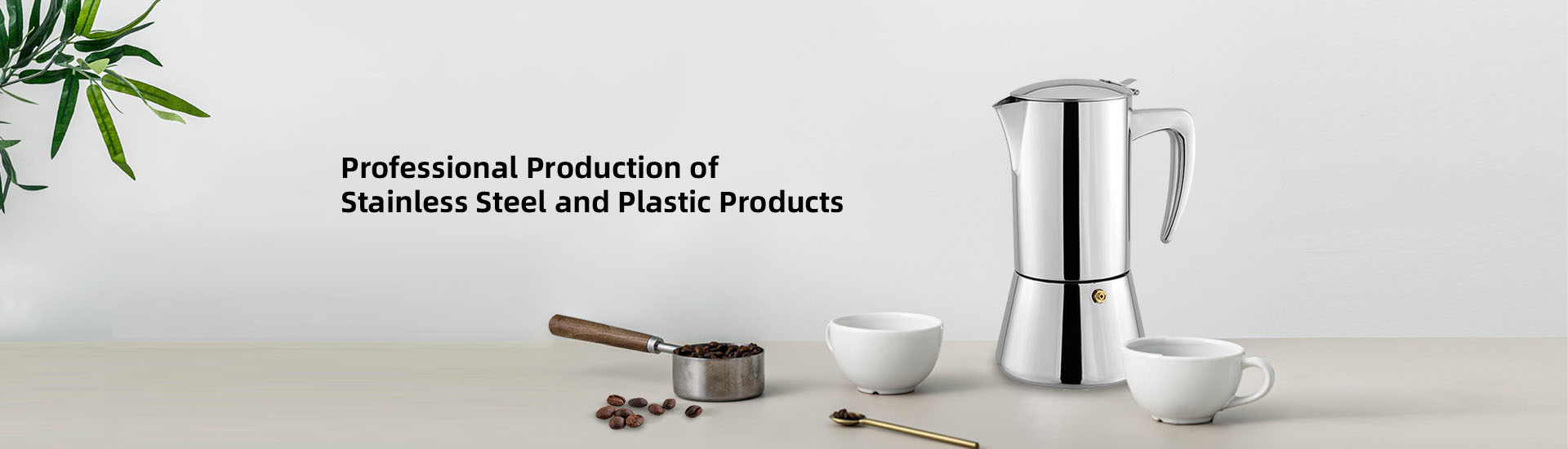
Cold brew coffee makers focus on slow extraction and storage design, while traditional coffee makers emphasize fast brewing and heat-based extraction. Their manufacturing differences come from structure, materials, and usage requirements.
Cold brew coffee makers and traditional coffee makers are designed for different brewing methods.
A cold brew coffee maker uses cold water extraction, where coffee grounds are soaked for several hours to create a smooth and less acidic coffee concentrate. The product design focuses on filtration performance, sealing ability, storage convenience, and durability.
A traditional coffee maker uses hot water extraction to quickly brew coffee. Its structure usually focuses on heat resistance, brewing efficiency, and stable coffee preparation.
For manufacturers, these different brewing methods create different requirements in product structure, material selection, component design, and quality control.
A cold brew coffee maker is designed for long extraction periods and convenient storage.
The typical process includes:
Adding coffee grounds into the filter chamber
Mixing with cold water
Allowing extended extraction time
Filtering coffee concentrate
Storing the finished beverage
Because cold brew coffee is often prepared in advance, product design must consider:
Leak-resistant construction
Reliable filtration systems
Storage-friendly shape
Easy cleaning features
Durable materials
Cold brew products commonly combine glass, stainless steel, and food-grade plastic components to balance appearance, safety, and functionality.
Traditional coffee makers use heated water to extract coffee flavors within a shorter time.
Common traditional brewing methods include:
Drip coffee brewing
Pour over brewing
french press brewing
Electric coffee brewing
The manufacturing focus is usually placed on:
Heat-resistant materials
Stable brewing structure
Temperature management
User operation convenience
Compared with cold brew designs, traditional coffee makers require stronger attention to heat-related performance and brewing speed.
The manufacturing differences mainly come from product functions and operating environments.
| Comparison Factor | Cold Brew Coffee Maker | Traditional Coffee Maker |
|---|---|---|
| Brewing Method | Cold water extraction | Hot water extraction |
| Product Focus | Storage and filtration | Brewing speed and heat control |
| Key Components | Filter, container, sealing structure | Heating system, filter, brewing structure |
| Material Requirements | Durable and storage-safe materials | Heat-resistant materials |
| Usage Pattern | Prepare in advance | Immediate consumption |
| Design Priority | Convenience and preservation | Efficiency and brewing performance |
These differences influence every stage from product development to manufacturing.
Cold brew coffee makers often need materials that support long-term contact with beverages.
Important material considerations include:
Materials must meet requirements for direct beverage contact and maintain product safety during storage.
Because cold brew is often stored for extended periods, lids and connections need reliable sealing.
Glass containers are popular because they allow users to see the coffee extraction process and remaining volume.
Products designed for repeated household use require materials that can withstand daily cleaning and handling.
Traditional coffee makers often involve more attention to heat-related performance.
Manufacturing considerations include:
Heat-resistant material selection
Structural stability under temperature changes
Safe handling design
Consistent brewing components
For stainless steel coffee products, processes such as stamping, welding, polishing, and surface finishing influence durability and appearance.
Both cold brew and traditional coffee makers can be customized, but the customization focus is different.
Cold brew coffee maker customization may include:
Container size
Filter design
Storage structure
Lid design
Packaging solutions
Traditional coffee maker customization may include:
Brewing structure
Handle design
Material combinations
Surface finishing
Product appearance
Manufacturers with stainless steel processing and plastic injection capabilities can provide more flexible solutions for different product requirements.
Cold brew coffee makers generally have simpler mechanical structures but require precise attention to sealing, filtration, and user convenience.
Traditional coffee makers may involve more complex structures, especially electric models that require additional components and performance testing.
Production complexity depends on product type, but both require:
Accurate component manufacturing
Stable assembly processes
Quality inspection
Consistent product performance
Cold brew coffee makers are suitable for markets focused on:
Home beverage preparation
Modern coffee lifestyles
Premium kitchen products
Beverage storage solutions
Traditional coffee makers are suitable for:
Offices
Hotels
Restaurants
Daily coffee preparation markets
The best product choice depends on customer habits, market positioning, and usage scenarios.
Coffee products combine functional design with user experience. Manufacturing experience helps ensure that product structures, materials, and production methods work together effectively.
Experienced manufacturers understand:
Material performance
Product durability requirements
Consumer usage habits
Production optimization
Quality consistency
This knowledge helps create coffee products that perform reliably in different markets.
Neither design is universally better. Cold brew coffee makers require strong focus on filtration, storage, and convenience, while traditional coffee makers require attention to brewing efficiency and heat performance.
For manufacturers and brands, understanding these production differences helps develop coffee products that match market trends, customer expectations, and long-term product goals.

 WhatsApp:
 Phone:
 Contact Now