
Glass Tea Makers provide better visibility and a clearer brewing experience, while stainless steel tea makers offer stronger durability and long-term performance. The better choice depends on usage habits and market needs.
glass tea makers and stainless steel tea makers use different materials to create different user experiences.
A glass tea maker uses heat-resistant glass to provide transparency, allowing users to observe tea leaves, water color changes, and the brewing process. It is often chosen for its elegant appearance and visual experience.
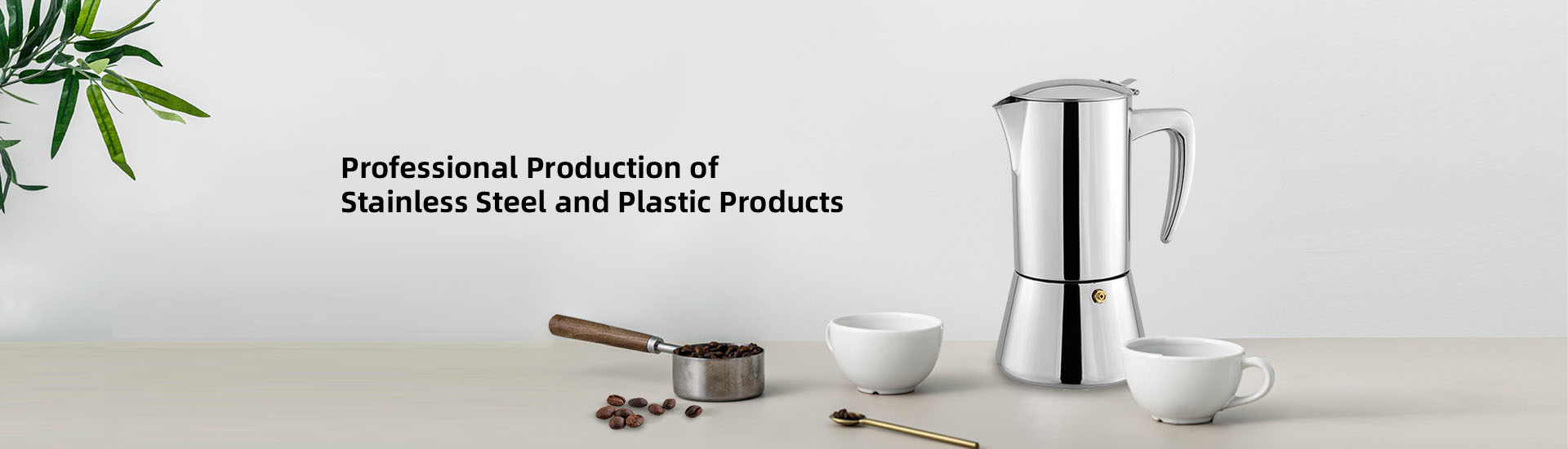
A stainless steel tea maker uses metal construction to provide strength, durability, and resistance to daily wear. It is suitable for users who prioritize long service life and reliable performance.
For manufacturers, material selection affects product design, production processes, durability, and market positioning.
Glass tea makers are popular because they create a more visual tea experience.
Their main advantages include:
Clear visibility of tea brewing
Modern and elegant appearance
Easy observation of tea color
Compatibility with different tea styles
Premium lifestyle positioning
Glass allows users to see the interaction between tea leaves and water, which enhances the preparation experience.
From a manufacturing perspective, glass tea makers require attention to:
Heat resistance
Glass thickness consistency
Structural protection
Handle and lid design
Packaging safety
Stainless steel tea makers are valued for their durability and practical performance.
Key advantages include:
Strong impact resistance
Long service life
Corrosion resistance
Easy maintenance
Stable performance during frequent use
Stainless steel designs are especially suitable for environments where products are used repeatedly, such as homes, offices, hotels, and restaurants.
Manufacturing quality depends on:
Stainless steel material selection
Forming accuracy
Welding quality
Surface finishing
Assembly consistency
Both materials provide different benefits for daily tea preparation.
| Comparison Factor | Glass Tea Maker | Stainless Steel Tea Maker |
|---|---|---|
| Appearance | Transparent and elegant | Premium metal finish |
| Durability | Requires careful handling | High impact resistance |
| Brewing Visibility | Excellent | Limited |
| Maintenance | Requires careful cleaning | Easy daily maintenance |
| Weight | Usually lighter appearance | Stronger structure |
| Long-Term Use | Depends on handling | Suitable for frequent use |
The better choice depends on whether users prioritize visual experience or long-term durability.
For frequent daily use, stainless steel tea makers generally provide stronger advantages.
Their benefits include:
Better resistance to accidental impacts
Lower replacement frequency
Easier maintenance
Stronger structural reliability
Glass tea makers remain suitable for users who value the beauty of tea preparation and mainly use products in controlled environments.
Both materials can be designed for hot beverage applications, but they behave differently.
Glass tea makers provide:
Clear observation of brewing
Good heat transparency
Elegant serving experience
Stainless steel tea makers provide:
Strong temperature stability
Better protection against external impact
Reliable performance during repeated heating cycles
Material choice should consider both brewing habits and usage environment.
Commercial environments usually require products that can handle frequent use.
Stainless steel tea makers are suitable for:
Hotels
Restaurants
Tea shops
Office beverage areas
Their durability helps reduce replacement needs.
Glass tea makers are suitable for:
Premium tea services
Specialty tea stores
Lifestyle retail markets
Customer experience-focused environments
Their transparency creates stronger visual appeal.
Yes. Many tea products combine both materials to balance appearance and performance.
Common combinations include:
Glass body with stainless steel filter
Stainless steel frame with glass container
Metal lid with glass brewing chamber
This combination allows manufacturers to provide both visual appeal and structural durability.
Material selection is only one part of product quality.
Important manufacturing factors include:
Food-grade materials ensure safe contact with beverages.
Handles, lids, filters, and connection points affect user experience and product reliability.
For stainless steel tea makers, polishing and finishing processes influence appearance and durability.
Inspection of assembly, sealing, and product performance ensures consistent quality.
The right choice depends on product positioning.
Glass tea makers are suitable for brands focusing on:
Tea culture experience
Premium appearance
Visual product appeal
Stainless steel tea makers are suitable for brands focusing on:
Durability
Daily practicality
Long-term value
Understanding customer expectations helps manufacturers develop tea products with stronger market competitiveness.
For daily use, stainless steel tea makers provide stronger advantages through durability, reliability, and easy maintenance. Glass tea makers provide a unique advantage through transparency and visual brewing experience.
For manufacturers and brands, selecting the right material depends on target users, application scenarios, and desired product positioning.

 WhatsApp:
 Phone:
 Contact Now