
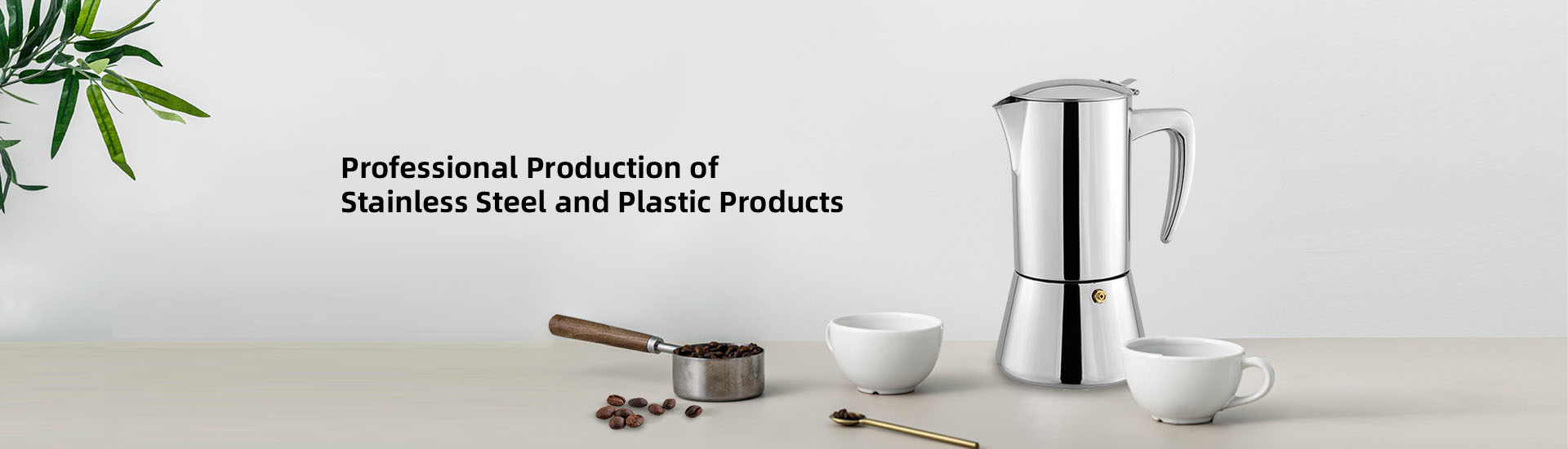
Tea Makers with filters provide greater convenience and control, while traditional teapots offer a classic brewing experience. The better design depends on user habits, tea preparation methods, and market needs.
Tea makers with filters and traditional teapots are designed for different tea preparation experiences.
A tea maker with a filter integrates a dedicated filtration system into the product structure. It allows users to separate tea leaves from water more easily, improving convenience and control during brewing.
A traditional teapot focuses on traditional tea preparation methods. It usually relies on manual pouring techniques and emphasizes tea culture, presentation, and shared drinking experiences.
For manufacturers, these design differences affect product structure, material selection, functionality, and target market positioning.
A tea maker with a filter is designed to simplify tea preparation.
Its main advantages include:
Easier separation of tea leaves and water
More convenient brewing control
Reduced tea residue in the cup
Better suitability for daily use
Simpler cleaning process
The built-in filter system helps users manage steeping time more effectively, preventing over-extraction and improving consistency.
From a manufacturing perspective, filter tea makers require attention to:
Filter precision
Component compatibility
Material safety
Cleaning convenience
Product durability
Traditional teapots provide a classic tea experience centered around preparation rituals and social interaction.
Their advantages include:
Strong connection with tea culture
Suitable for shared tea sessions
Elegant presentation
Compatibility with traditional brewing methods
Premium lifestyle positioning
Traditional teapots are often used in homes, restaurants, tea rooms, and hospitality environments where the tea experience itself is important.
Manufacturing focuses on:
Balanced structure
Comfortable handles
Stable lids
Pouring performance
Appearance quality
Both designs provide different user experiences.
| Comparison Factor | Tea Maker with Filter | Traditional Teapot |
|---|---|---|
| Brewing Convenience | Higher | Requires more manual control |
| Tea Leaf Management | Easier filtration | Manual separation needed |
| User Experience | Practical and efficient | Traditional and cultural |
| Suitable Users | Daily tea drinkers | Tea enthusiasts |
| Cleaning Process | Usually simpler | Depends on design |
| Application | Home, office, travel | Home, tea rooms, hospitality |
The better choice depends on whether convenience or traditional experience is the priority.
Tea makers with filters often provide better convenience for modern daily use.
They are suitable for users who need:
Quick tea preparation
Easy operation
Portable solutions
Consistent brewing results
Busy lifestyles have increased demand for products that simplify beverage preparation while maintaining quality.
Traditional teapots remain valuable for users who enjoy slower tea preparation and social tea experiences.
Both designs provide control in different ways.
Tea makers with filters provide control through:
Adjustable steeping time
Easy tea leaf separation
Better extraction management
Traditional teapots provide control through:
Manual brewing techniques
Pouring methods
Traditional preparation skills
The choice depends on user experience expectations.
The product structures create different manufacturing requirements.
Tea makers with filters require focus on:
Filter manufacturing accuracy
Connection between components
Functional testing
Cleaning-friendly design
Traditional teapots require focus on:
Body structure
Pouring performance
Handle strength
Appearance consistency
For stainless steel tea products, processes such as forming, welding, polishing, and surface finishing influence final product quality.
Yes. Tea makers with filters provide multiple customization opportunities.
Manufacturers can customize:
Product capacity
Filter structure
Material combinations
Handle design
Surface finishes
Packaging solutions
For brands developing tea products, customization helps create products that better match specific consumer groups.
Material selection affects durability, appearance, and user experience.
Provides:
Strong durability
Corrosion resistance
Long service life
Premium appearance
Provides:
Brewing visibility
Modern appearance
Visual tea experience
Provides:
Lightweight structure
Flexible design options
Cost efficiency
Combining materials can help manufacturers balance performance and market requirements.
Tea product development requires understanding both user habits and production details.
Experienced manufacturers consider:
Material performance
Functional design
Manufacturing efficiency
Quality consistency
Market expectations
This helps create products that provide reliable performance and better user experiences.
Tea makers with filters generally provide better convenience, easier operation, and improved brewing control for modern users. Traditional teapots provide stronger cultural value and a more classic tea experience.
For manufacturers and brands, selecting the right design depends on target customers, usage scenarios, and the desired balance between convenience and tradition.

 WhatsApp:
 Phone:
 Contact Now