
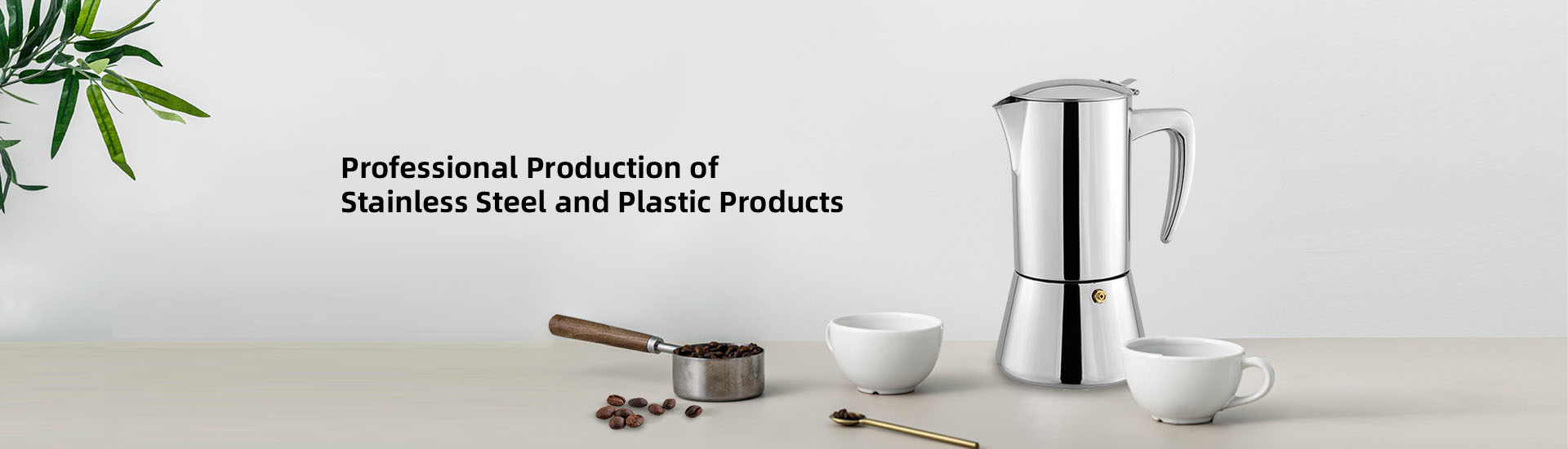
Manual Tea Makers are generally easier to customize because they have simpler structures, more flexible designs, and fewer technical limitations, while automatic tea brewers require more complex systems.
Manual tea makers and automatic tea brewers provide different tea preparation experiences through different operating methods.
A manual tea maker relies on user control during the brewing process. Users manage factors such as tea amount, water temperature, and steeping time manually.
An automatic tea brewer uses integrated systems to control brewing steps automatically. These systems may include heating control, timing functions, water flow management, and electronic components.
For manufacturers, these differences directly affect product design, customization possibilities, production complexity, and development costs.
Manual tea makers usually have simpler structures, making them more flexible for product customization.
Customization advantages include:
Easier structural modifications
More flexible material selection
Lower development complexity
Faster product adjustment
Wider design possibilities
Manufacturers can customize manual tea makers through:
Product size
Capacity options
filter design
Handle structure
Surface finishing
Packaging solutions
For stainless steel tea products, manual designs allow manufacturers to adjust forming, polishing, and assembly processes more efficiently.
Automatic tea brewers provide advanced functions but require more complex customization processes.
Customization may involve:
Electronic systems
Heating components
Control programs
Safety testing
Internal structure adjustments
Changes to automatic tea brewers often require evaluation of multiple systems to ensure product reliability and performance.
This makes development more technical compared with manual tea makers.
The customization differences can be seen in several areas.
| Comparison Factor | Manual Tea Maker | Automatic Tea Brewer |
|---|---|---|
| Product Structure | Simple and flexible | Complex integrated system |
| Design Adjustment | Easier | Requires technical evaluation |
| Development Cost | Lower | Higher |
| Custom Appearance | Highly flexible | Depends on internal structure |
| Function Modification | Easier | More complex |
| Production Management | Simpler | Requires more testing |
Manual tea makers provide more freedom for brands seeking unique product designs.
OEM development requires flexibility, communication efficiency, and production adaptability.
Manual tea makers are often preferred for OEM projects because manufacturers can adjust:
Materials
Product dimensions
Components
Surface finishes
Packaging styles
This makes them suitable for brands creating private label tea products.
Automatic tea brewers can also support OEM development, but they usually require more engineering involvement.
Manual tea makers provide various customization opportunities.
Common options include:
Manufacturers can use materials such as stainless steel, glass, or food-grade plastic depending on product positioning.
Products can be adjusted for:
Different capacities
Filter systems
Handle styles
Lid designs
Stainless steel products can use finishes such as:
Polished surfaces
Brushed surfaces
Matte finishes
Customized packaging helps brands create stronger retail presentation.
Automatic tea brewers require broader technical capabilities.
Important capabilities include:
Electronic component integration
Temperature control systems
Product testing
Safety evaluation
Assembly management
Manufacturers need stronger engineering resources to manage automatic product development.
Manual tea makers generally provide better cost control because they require fewer development resources.
Cost advantages include:
Lower tooling requirements
Simpler production processes
Easier design changes
Reduced testing complexity
Automatic tea brewers may require higher investment because customization involves additional technical components.
The suitable choice depends on product goals.
Manual tea makers are suitable for:
Lifestyle tea products
Gift markets
Stainless steel kitchenware collections
Traditional tea applications
Automatic tea brewers are suitable for:
Smart kitchen products
Premium appliance markets
Users seeking automated preparation
Both product categories have market value, but they serve different consumer expectations.
Successful customization requires more than changing product appearance.
Experienced manufacturers understand:
Material characteristics
Production feasibility
Product durability
Quality standards
Market requirements
This knowledge helps transform customization ideas into reliable commercial products.
Manual tea makers are generally easier to customize because they provide greater design flexibility, simpler production processes, and lower development barriers.
Automatic tea brewers provide advanced functionality but require more technical resources during customization.
For brands seeking flexible OEM tea products, manual tea makers often provide a more efficient path to developing differentiated products.

 WhatsApp:
 Phone:
 Contact Now