
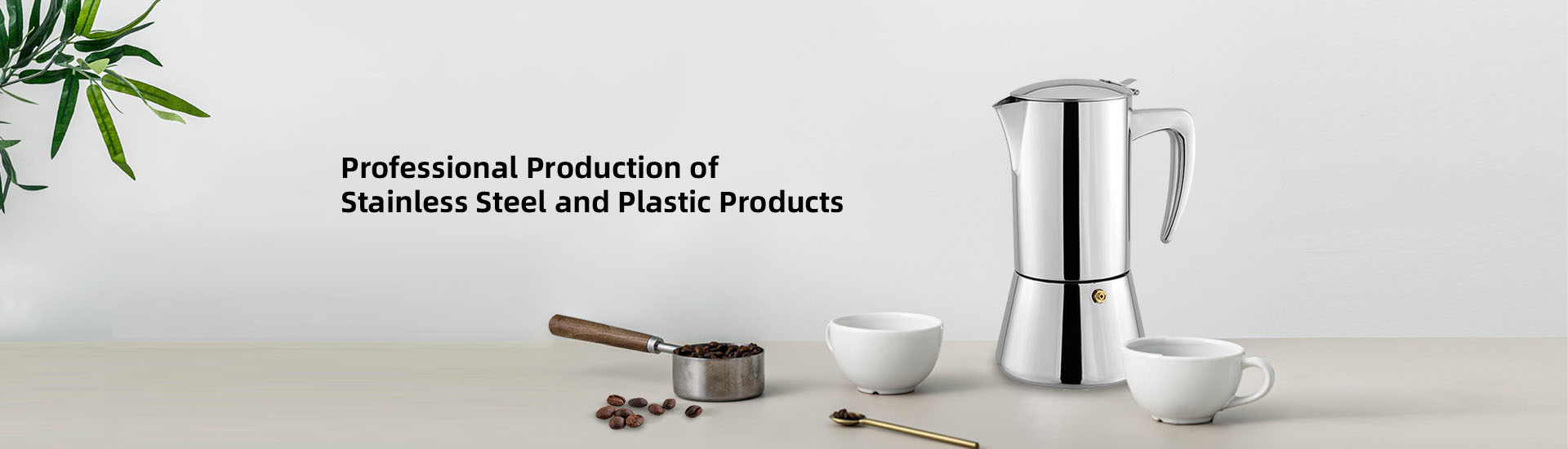
A vacuum coffee maker, also called a siphon coffee maker, uses vapor pressure and vacuum suction to brew coffee. Unlike drip coffee machines that rely mainly on gravity, a vacuum coffee maker uses temperature-driven pressure changes to move water between two chambers, producing a clean and aromatic cup of coffee.
The device typically consists of two glass chambers, a filter between them, and a heat source. The lower chamber holds water, while the upper chamber holds ground coffee.
Heating And Water Movement
The brewing process begins by adding water to the bottom chamber and ground coffee to the top chamber. When heat is applied to the lower chamber, the water temperature gradually rises. As the water heats up, it produces water vapor, which increases pressure inside the bottom chamber.
This pressure forces the hot water upward through a narrow tube into the upper chamber where the coffee grounds are located. Once the water reaches the top chamber, it mixes with the coffee grounds and begins the extraction process.
Coffee Extraction Process
While the water and coffee grounds remain in the upper chamber, they are stirred gently to ensure even contact. The hot water dissolves coffee oils, acids, and aromatic compounds from the grounds. This extraction stage usually lasts between 30 seconds and 1 minute depending on the brewing strength desired.
Because the water temperature remains stable during this phase, vacuum coffee makers are known for producing balanced and flavorful coffee.
Vacuum Brewing Stage
After the brewing time is complete, the heat source is removed from the lower chamber. As the bottom chamber cools, the vapor pressure inside decreases and a vacuum forms. This vacuum pulls the brewed coffee downward through the filter and back into the lower chamber.
The coffee grounds remain trapped in the upper chamber by the filter, leaving only clean brewed coffee in the bottom container.
Final Coffee Collection
Once the brewed coffee has completely returned to the lower chamber, the upper chamber can be removed. The coffee in the bottom chamber is now ready to serve.
This vacuum-driven brewing method produces coffee with clear flavor, smooth texture, and minimal sediment, which is why siphon coffee makers are often used in specialty coffee preparation.
Manufacturing And Structural Considerations
From a manufacturing perspective, vacuum coffee makers require precise structural design and heat-resistant materials. The glass chambers must withstand repeated heating and cooling cycles, while the filter system must maintain proper sealing between the two chambers to ensure pressure stability.
Manufacturers like Sellwell produce coffee equipment using durable materials and controlled manufacturing processes that include stainless steel fabrication, heat-resistant glass components, and precision assembly. Proper structural design ensures the siphon system operates reliably while maintaining safe pressure levels during brewing.
Quality control during production typically includes pressure stability testing, sealing inspection, and thermal resistance verification. These checkpoints ensure the coffee maker maintains stable brewing performance during repeated use.
For buyers sourcing coffee equipment in bulk, evaluating structural durability, material standards, and manufacturing quality is essential. Suppliers with integrated production capabilities and structured quality management systems are better positioned to deliver vacuum coffee makers suitable for long-term supply and international markets.

 WhatsApp:
 Phone:
 Contact Now