
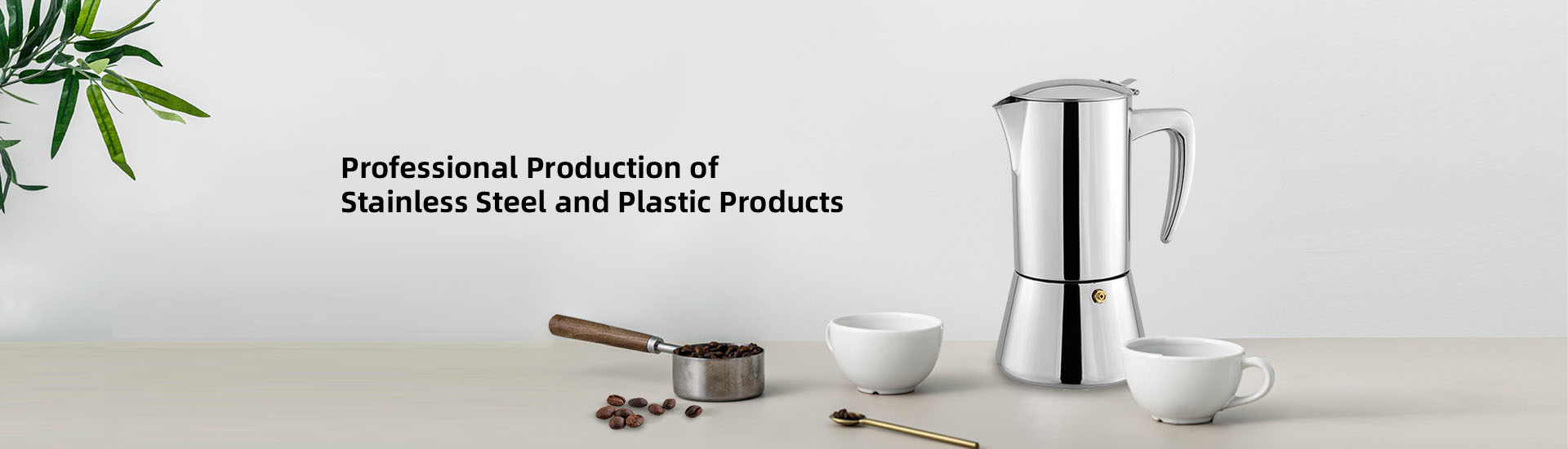
A cold brew coffee maker is designed to produce coffee using cold or room-temperature water instead of hot water. This brewing method extracts coffee slowly over time, resulting in a smoother flavor with lower acidity compared to traditional hot brewing. Understanding how to use a cold brew coffee maker helps achieve consistent taste and proper extraction.
The process begins by adding coarse ground coffee into the filter or brewing chamber. cold brew coffee makers typically use a higher coffee-to-water ratio than drip coffee machines because the extraction occurs slowly. After placing the coffee grounds into the filter, cold or room-temperature water is poured into the container until the grounds are fully saturated.
Once the coffee and water are combined, the brewing container is sealed and left to steep. The steeping process usually takes between 12 and 24 hours, depending on the desired strength. During this time, water gradually extracts flavor compounds, natural oils, and aromatic elements from the coffee grounds.
After the brewing period is complete, the filter is removed to separate the coffee grounds from the liquid. The result is a concentrated cold brew coffee that can be served over ice or diluted with water or milk according to personal preference.
From a manufacturing perspective, cold brew coffee makers require durable materials and precise filter design to maintain stable extraction. Components that come into contact with coffee and water must resist staining and corrosion while remaining easy to clean. Sellwell manufactures coffee equipment using stainless steel and heat-resistant plastic materials that support reliable brewing and long-term durability.
During production, manufacturers typically conduct material inspections, filter performance testing, and structural stability checks to ensure consistent brewing performance. These quality control procedures help confirm that the coffee maker can withstand repeated use without affecting flavor extraction.
For buyers sourcing coffee equipment in bulk, evaluating material quality, filtration structure, and manufacturing consistency is essential. Manufacturers with integrated production capabilities and structured quality management systems are better positioned to supply cold brew coffee makers suitable for international markets and large-scale distribution.
Previous: How Does A Drip Coffee Maker Work

 WhatsApp:
 Phone:
 Contact Now