
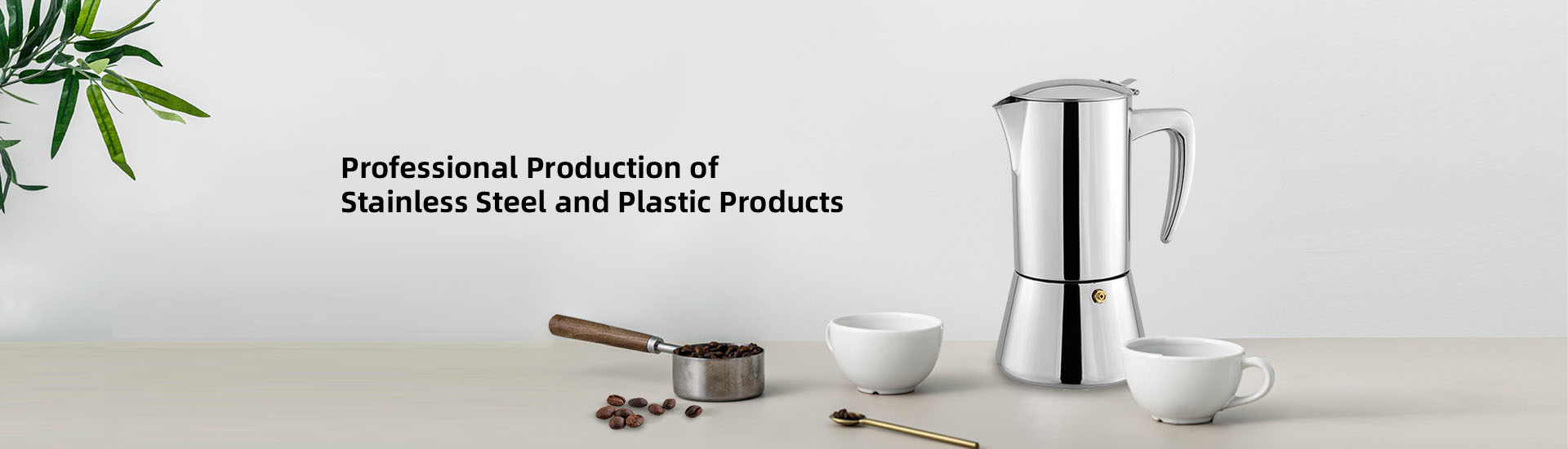
Making coffee without a coffee maker is not difficult, but the result depends on how well heat, water flow, filtration, and contact time are controlled. From a manufacturer perspective, this topic is not only about a quick kitchen trick. It shows why coffee equipment design matters. The National Coffee Association explains that brewed coffee quality depends on how hot water passes through or around ground coffee to extract flavor, and coffee research linked to Specialty Coffee Association standards commonly places effective brew water in the range of about 92°C to 96°C.
Without a machine, the most practical ways to brew coffee are manual steeping, saucepan brewing, and improvised pour-over. A stovetop method usually works by heating water, adding ground coffee, letting the grounds steep briefly, and then separating the liquid from the grounds. Epicurious describes a simple saucepan approach using only water, coffee grounds, and a pot, which shows that the core brewing logic remains the same even without an automatic brewer.
A manual pour-over method is closer to automatic drip brewing. Hot water is poured over grounds held in a filter, and the brewed coffee drips into a cup or carafe below. The National Coffee Association describes drip coffee in very similar terms, which makes manual pour-over one of the closest alternatives when a coffee maker is not available.
The biggest mistake in manual brewing is usually water temperature. If the water is too cool, the coffee tastes weak or sour. If it is too hot, bitterness rises and flavor balance falls. Specialty Coffee Association related guidance commonly identifies about 195°F to 205°F as the effective extraction range, which is why controlled hot-water tools are so valuable even when no coffee maker is used.
This is where kettles and manual coffee tools become important. The manual method may be simple, but consistent hot water still decides whether the cup tastes clean and balanced.
For buyers developing manual coffee lines, manufacturer vs trader is not a minor question. A trader may combine products from different sources, but a direct manufacturer can usually explain material choice, filter tolerance, heat resistance, and long-term production stability much more clearly. SELLWELL states that it operates from Hong Kong with a mainland China factory in Jiangmen, covers 60,000 square meters, employs around 500 staff, and produces more than US$30 million in annual output. That scale matters because manual coffee products still depend on repeatable production quality, especially in filters, stainless steel parts, and heat-resistant plastic components.
Making coffee without a machine often means using other coffee tools such as pour-over sets, kettles, drippers, filter baskets, glass servers, or cold brew systems. SELLWELL’s published coffee-equipment content shows that structured OEM and ODM development can include heating wattage configuration, filter mesh density, chamber material, control panel design, automatic shut-off timing, technical review, prototype validation, brew temperature testing, flow-rate calibration, leakage testing, and mass production approval. That means a buyer can shape the final brewing experience through product design rather than relying on a fixed catalog model.
For a manual coffee project, a useful sourcing checklist should cover filter type, brew capacity, temperature-control needs, chamber material, heat resistance, pouring precision, cleaning convenience, and replacement-part planning. Without those points, the product may still look attractive but fail in real brewing use. SELLWELL’s own coffee-maker and cold-brew development articles show that material safety verification, filtration efficiency testing, brew temperature testing, and safety compliance verification are already treated as part of the development process.
From a manufacturer viewpoint, coffee quality without a machine still depends on industrial discipline. SELLWELL highlights stainless steel and plastic product manufacturing, while its published coffee-equipment content refers to precision plastic injection parts, flow calibration, and stable manufacturing quality. In practical terms, the manufacturing process overview should include mold precision, material inspection, leakage testing, temperature validation, and repeated-use durability checks. Quality control checkpoints should focus on filter performance, water flow stability, heat resistance, and assembly consistency, because these details shape extraction much more than the retail description suggests.
Material standards used in manual coffee tools directly affect both safety and taste. Stainless steel components influence durability and corrosion resistance, while food-contact plastics and filter materials affect cleanliness, odor control, and repeat use. SELLWELL identifies itself as a manufacturer of stainless steel and plastic products, which is highly relevant in coffee equipment because these two material families dominate kettles, filters, servers, and brewers. Better materials do not only extend product life. They also reduce complaint risk in wholesale programs.
Bulk supply considerations are especially important for coffee accessories because buyers often need the same brewing result across repeated shipments and multiple markets. SELLWELL’s coffee-equipment content explicitly connects OEM and ODM work to stable manufacturing quality and safety compliance verification. For export market compliance, this is important because coffee products combine food-contact materials, thermal exposure, and repeated daily use. A supplier that can support both development and compliance is far more useful than one that only delivers a sample that looks correct.
Making coffee without a coffee maker proves one thing clearly: good coffee does not begin with a complex machine. It begins with controlled heat, reliable filtration, and consistent product design. SELLWELL’s advantage is that it combines factory scale, stainless steel and plastic manufacturing capability, OEM and ODM flexibility, and coffee-equipment development experience. For buyers building manual coffee lines, that means stronger control over materials, better quality checkpoints, and more dependable long-term supply.

 WhatsApp:
 Phone:
 Contact Now