
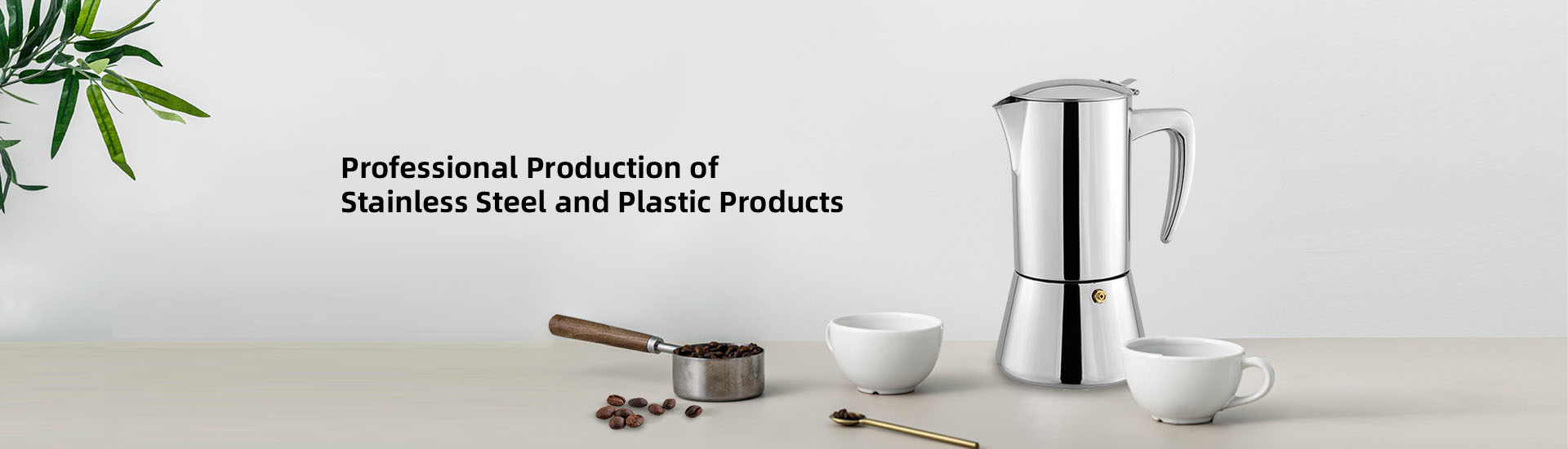
Cleaning a coffee maker with vinegar is a simple way to remove mineral scale, coffee oil, and water residue from the brewing system. For commercial sourcing, this topic is also useful because easy cleaning directly affects return rate, user satisfaction, and long-term product reviews. White vinegar usually contains about 5% acetic acid, which can help dissolve calcium buildup from hard water. In many markets, buyers prefer coffee makers with removable tanks, smooth internal flow paths, and food-contact materials that can handle regular cleaning without odor retention.
For daily-use coffee appliances, we suggest cleaning removable parts after each use and descaling the water system every 1 to 3 months, depending on local water hardness and use frequency. A common method is to fill the tank with a vinegar and water mixture, run half a brew cycle, pause for 15 to 30 minutes, finish the cycle, then run clean water cycles until no vinegar smell remains.
| Cleaning Point | Practical Value |
|---|---|
| 5% white vinegar | Helps remove common mineral deposits |
| 15–30 minute soaking | Improves scale softening inside the flow path |
| 2–3 clean water cycles | Reduces odor before normal use |
| Monthly descaling | Supports stable heating and water flow |
From a manufacturer vs trader perspective, cleaning performance is not only a user instruction issue. A manufacturer can improve the product from the structure stage, including water tank shape, filter basket fit, lid sealing, stainless steel part finishing, and plastic component selection. A trader may only provide finished items, while a factory can adjust details before bulk supply.
SELLWELL has long experience in coffee maker, Tea Maker, kitchen organizer, kettle, barware, trash bin, and household product manufacturing. The factory covers about 60,000 square meters, has more than 500 employees, and owns stainless steel processing and plastic injection capabilities. This integrated production base helps control material matching, assembly consistency, and repeated order stability.
For OEM / ODM process, cleaning convenience should be reviewed early. Our team can discuss tank capacity, removable parts, surface finishing, packaging instructions, color matching, logo position, and user manual wording before sample approval. For ODM development, mold structure and internal water route can also be reviewed to reduce dead corners where scale or residue may remain.
Quality control checkpoints should include material inspection, plastic smell control, stainless steel surface review, leakage testing, heating stability testing, assembly checking, carton drop review, and final random inspection. For export market compliance, food-contact safety, electrical safety, labeling, voltage version, and packaging information should be confirmed before mass production.
For project sourcing, buyers should not only ask how to clean a coffee maker with vinegar. They should also check whether the supplier can support stable materials, clear OEM documents, bulk order traceability, and compliance-ready production. A coffee maker that is easier to clean is usually easier to sell, easier to maintain, and easier to reorder.

 WhatsApp:
 Phone:
 Contact Now