
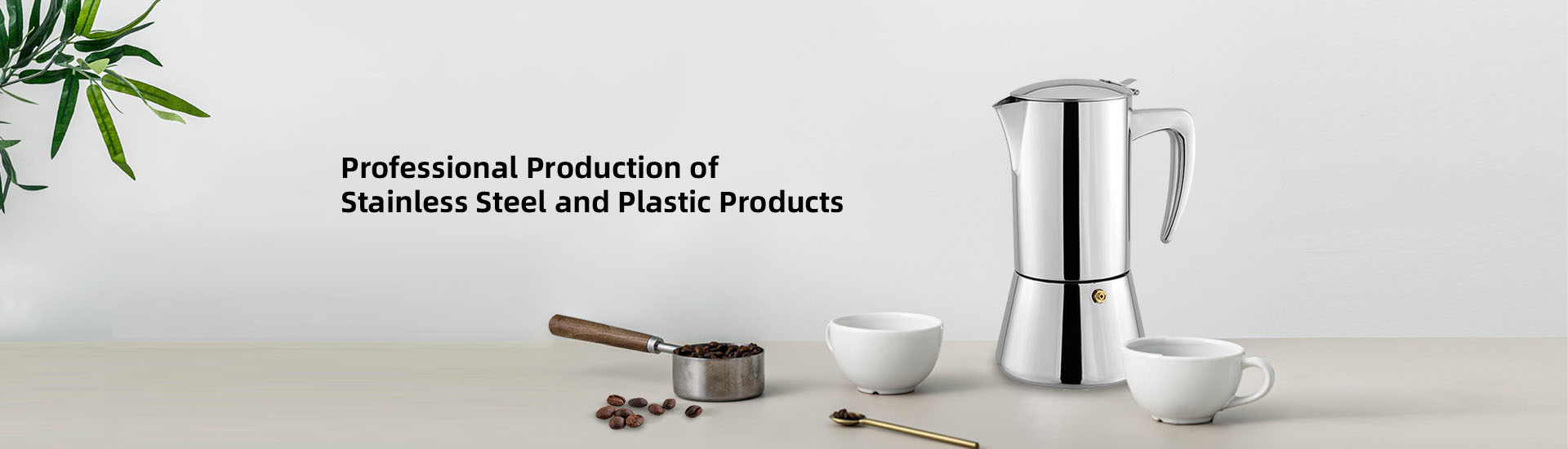
Regular cleaning keeps a coffee maker working with stable water flow, better heating performance, and cleaner taste. Mineral scale usually comes from hard water. The United States Geological Survey notes that hard water contains dissolved calcium and magnesium, which can form deposits inside heating systems over time. For frequent use, descaling every 1 to 3 months is a practical maintenance interval.
Remove the filter basket, water tank, lid, and washable parts first. Wash them with warm water and mild detergent. Then fill the water tank with a descaling solution or white vinegar diluted with water. Run one brewing cycle, pause for 15 to 30 minutes, then finish the cycle. After that, run 2 to 3 clean water cycles until the smell is gone.
| Cleaning Area | Why It Matters |
|---|---|
| Water tank | Reduces scale and odor buildup |
| Filter basket | Keeps coffee oil from affecting taste |
| Heating route | Helps maintain brewing speed |
| Exterior housing | Supports better shelf display |
For procurement planning, How To Clean My coffee maker is not only a user question. It also reflects product structure, material choice, and production control. A manufacturer can improve cleaning convenience from the design stage, while a trader usually sells finished items with limited control over mold details, inner structure, or component matching.
SELLWELL has its own stainless steel processing and plastic injection production capability. With a factory area of about 60,000 square meters and more than 500 employees, we can support coffee maker, Tea Maker, kettle, barware, kitchen organizer, trash bin, and household product orders with stable batch consistency.
During the OEM / ODM process, our team can review tank shape, handle structure, lid fitting, removable parts, logo position, color, packaging, and user manual wording before sample confirmation. For customized coffee makers, cleaning instructions can also be adjusted for different export markets and retail channels.
Quality control checkpoints should cover incoming material inspection, food-contact component review, plastic odor checking, stainless steel surface inspection, leakage testing, heating stability testing, assembly fit, carton strength, and final random inspection.
For export market compliance, voltage version, plug type, safety markings, packaging language, carton information, and documentation should be checked before mass production. A coffee maker that is easier to clean can reduce after-sales questions, support better reviews, and make repeat orders easier to manage.

 WhatsApp:
 Phone:
 Contact Now