
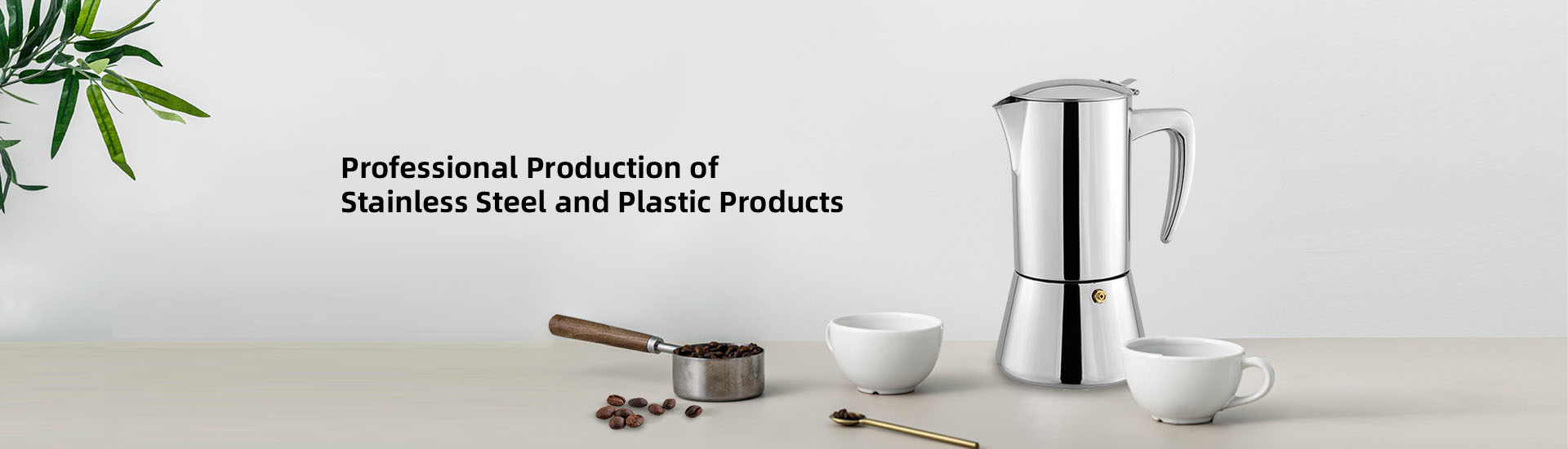
Importing coffee makers from China should begin with supplier verification. A manufacturer can control product structure, material selection, mold adjustment, assembly quality, and repeated production consistency. A trader may help with communication, but usually has limited control over production details, quality checkpoints, and long-term customization.
China remains one of the world’s major exporters of household appliances and kitchenware. According to international trade data, China exports billions of dollars of electric domestic appliances and household products every year, supported by mature supply chains, skilled labor, and strong material processing capacity.
SELLWELL has been involved in household product manufacturing for many years, with a factory area of about 60,000 square meters and more than 500 employees. Our production covers coffee maker, Tea Maker, kettle, barware, kitchen organizer, trash bin, and related household items. Stainless steel processing and plastic injection capability allow better control over structure, surface finish, and batch stability.
| Sourcing Point | What Buyers Should Confirm |
|---|---|
| Factory type | Manufacturer or trader |
| Materials | Food-grade stainless steel and safe plastic |
| Customization | Logo, color, packaging, structure |
| Testing | Leakage, assembly, surface, carton strength |
| Compliance | Voltage, labeling, safety documents |
For OEM / ODM coffee maker projects, buyers should confirm drawings, samples, logo placement, color standards, user manual, packaging method, carton marks, and inspection requirements before mass production. A clear sample approval process reduces the risk of wrong structure, color difference, unstable fitting, or unsuitable packaging.
A typical manufacturing process includes material inspection, cutting, forming, polishing, plastic injection, part assembly, surface checking, functional testing, packaging, and final inspection. Important quality control checkpoints include food-contact material review, stainless steel finishing, plastic odor control, lid fitting, water flow, leakage testing, and packing strength.
Before shipment, importers should check plug type, voltage version, product labels, carton language, instruction manual, barcode requirements, and market-specific documents. For bulk supply, stable production records, clear communication, and repeatable inspection standards are more important than only comparing unit price.
When planning how to import coffee makers from China, choosing a capable manufacturer helps reduce sourcing risk from sample development to final delivery.
Previous: How To Choose A French Press Supplier

 WhatsApp:
 Phone:
 Contact Now