
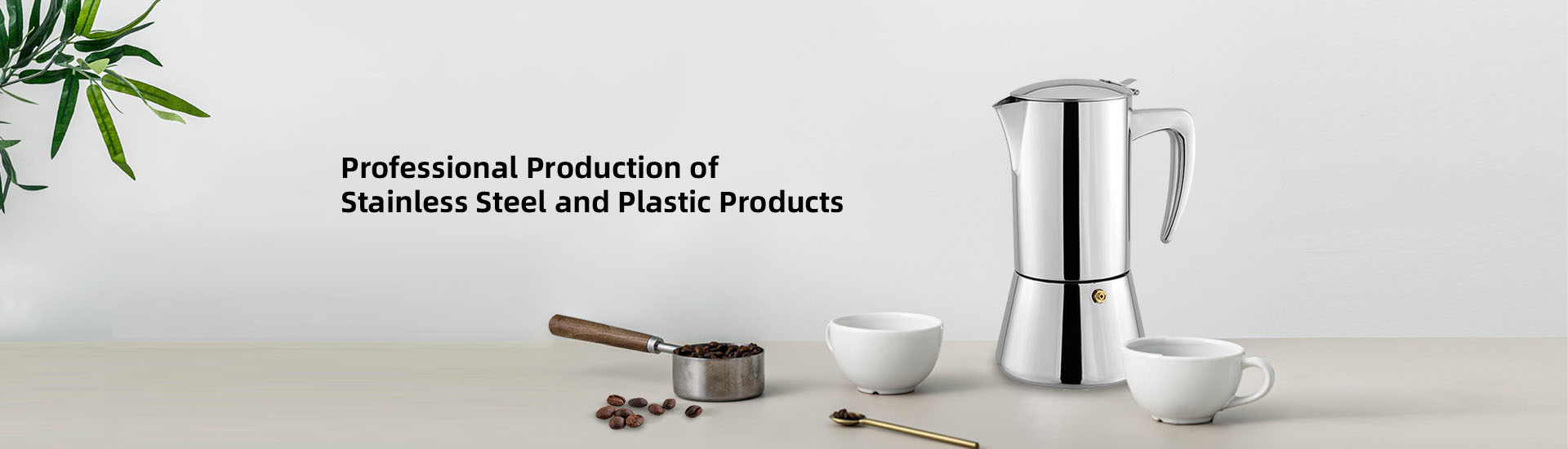
Coffee can be prepared without an electric coffee maker by using a paper filter, reusable metal filter, heat-resistant container, and hot water. This manual method is practical for homes, offices, hotels, camping sets, and coffee service projects.
Place the filter over a mug or carafe and rinse it with hot water. Add medium-ground coffee, then pour a small amount of water evenly over the grounds. Wait about 30 seconds before adding the remaining water slowly in circular motions.
The Specialty Coffee Association commonly uses a brewing ratio of 60 grams of coffee per litre of water, equal to approximately 15 grams for a 250-millilitre cup. Adjusting grind size, pouring speed, and coffee quantity changes strength and extraction.
A paper filter produces a cleaner cup, while a stainless steel filter allows more coffee oils to pass through. The filter holder must remain stable and should not overflow during brewing.
A direct manufacturer controls stainless steel forming, plastic injection, polishing, assembly, and packaging. This provides better material traceability and dimensional consistency than purchasing through a trader that depends on several external suppliers.
Our approximately 60,000-square-metre factory employs around 500 people and combines stainless steel processing with plastic injection capability. The OEM and ODM process covers product design, material confirmation, tooling, sample approval, pilot production, inspection, and customized packaging.
Confirm filter material, mesh size, brewing capacity, handle strength, heat resistance, surface finish, cleaning method, logo position, carton design, and order quantity.
Quality control checkpoints should include dimensions, sharp edges, welding, filter fit, handle loading, leakage, corrosion resistance, and packaging protection. Regulation EC No 1935/2004 requires food-contact articles marketed in the European Union to be manufactured so they do not transfer substances to food at unsafe levels or cause unacceptable changes.
Export orders should also confirm food-contact test reports, material declarations, labeling language, traceability, and destination-market requirements.

 WhatsApp:
 Phone:
 Contact Now