
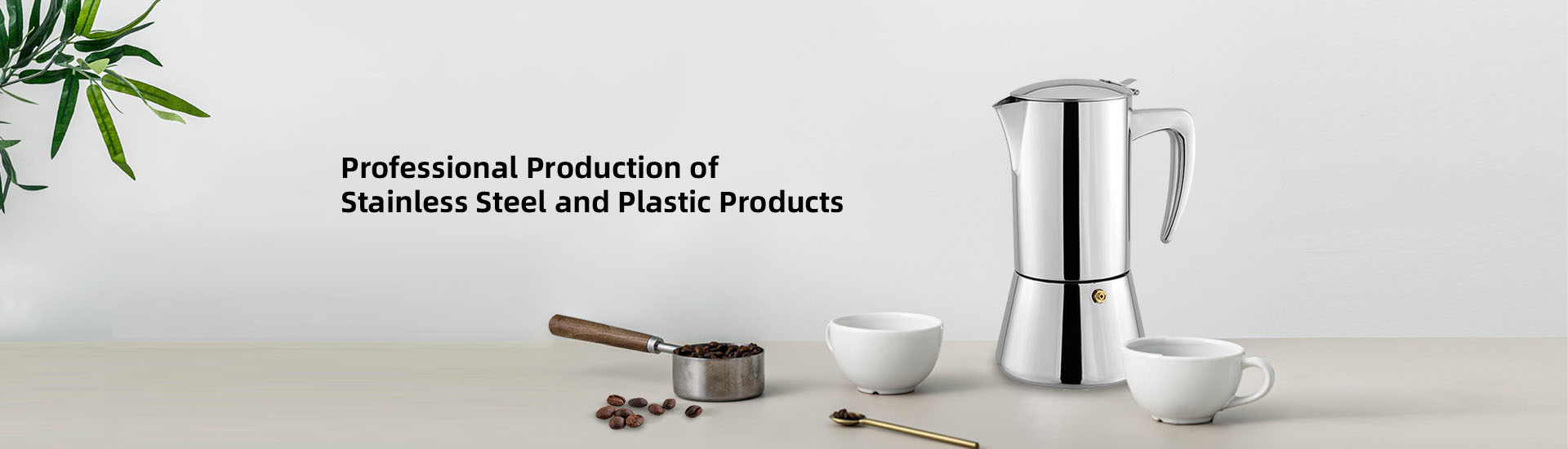
OEM and odm kitchenware manufacturing are two common production models used for developing customized kitchen products. Understanding the difference between these two approaches helps brands and product developers select the right manufacturing method based on their design requirements, market positioning, and production goals.
According to industry manufacturing practices, customized product development requires close cooperation between product design, material selection, production engineering, and quality control. For kitchenware products, manufacturing capability is especially important because materials, structure, and finishing directly influence product performance.
From a manufacturer’s perspective, OEM and ODM are not only production methods but also complete product development solutions.
OEM stands for Original Equipment Manufacturing. In an OEM project, the customer provides product concepts, designs, specifications, or branding requirements, while the manufacturer handles production.
The manufacturer is responsible for:
Material preparation
Production planning
Manufacturing process
Quality inspection
Packaging and delivery
OEM manufacturing is suitable for companies that already have product designs or want to develop products based on their own specifications.
| OEM Manufacturing | Description |
|---|---|
| Product design | Provided by customer or developed together |
| Production | Completed by manufacturer |
| Customization | Based on specific requirements |
| Brand ownership | Belongs to customer |
For example, a company may provide requirements for a stainless steel kitchen product, and the manufacturer produces it according to the agreed specifications.
ODM stands for Original Design Manufacturing. In an ODM project, the manufacturer provides product design, engineering solutions, and production support.
The manufacturer may handle:
Product concept development
Structural design
Material recommendations
Prototype creation
Mass production
ODM is suitable for companies looking for ready-to-develop product solutions without creating the entire design process independently.
| ODM Manufacturing | Description |
|---|---|
| Product design | Developed by manufacturer |
| Engineering support | Provided by manufacturer |
| Customization | Adjusted according to market needs |
| Development process | From concept to production |
The main difference between OEM and ODM is the level of involvement in product development.
| Comparison Factor | OEM | ODM |
|---|---|---|
| Design ownership | Customer design | Manufacturer design |
| Development support | Production focused | Full development support |
| Customization level | High | Flexible |
| Suitable for | Existing product concepts | New product development |
Both models require strong manufacturing capability because product quality depends on material control, production processes, and inspection systems.
The difference between a manufacturer and a trader becomes important when developing kitchenware products.
A trader mainly focuses on sourcing existing products, while a manufacturer controls:
Product development
Material selection
Manufacturing processes
Quality control
Production improvement
Sellwell specializes in stainless steel and plastic product manufacturing with its own stainless steel processing and plastic injection production facilities. This integrated manufacturing structure allows better control over OEM and ODM projects from development to final production. (SELLWELL)
For customized kitchen product solutions, Sellwell develops products such as Stainless Steel Round Shape Kitchen Garbage Can and other stainless steel and household products for different market requirements. (SELLWELL)
A professional OEM and ODM process usually includes several important stages.
The manufacturer evaluates product functions, materials, target applications, and production requirements.
For ODM projects, manufacturers develop product concepts and prototypes. For OEM projects, manufacturers review customer specifications and prepare production solutions.
Samples are evaluated for:
Structure
Function
Material performance
Appearance quality
After approval, the manufacturer starts bulk production with quality monitoring throughout the process.
Quality control is essential for customized kitchenware manufacturing.
Important checkpoints include:
| Quality Control Stage | Purpose |
|---|---|
| Material inspection | Confirm raw material standards |
| Production inspection | Maintain manufacturing accuracy |
| Surface inspection | Control appearance quality |
| Function testing | Verify product performance |
| Final inspection | Confirm shipment quality |
A complete quality management system helps ensure consistent results during large-volume production.
Material selection directly affects kitchen product durability and safety.
Common considerations include:
Stainless steel grade
Material thickness
Surface finishing
Plastic material safety
Component durability
Professional manufacturers evaluate materials according to product applications and market requirements.
For large-volume OEM and ODM kitchenware projects, production capacity and export experience are important.
A project sourcing checklist should include:
| Evaluation Item | Purpose |
|---|---|
| Factory capacity | Support bulk orders |
| Production management | Ensure delivery stability |
| Quality system | Maintain consistency |
| Packaging capability | Protect products |
| Export experience | Support global shipment |
Sellwell’s factory was established in 1991, covers approximately 60,000 square meters, and employs more than 500 staff, supporting large-scale stainless steel and plastic product manufacturing. (SELLWELL)
International kitchenware projects require attention to product documentation, packaging standards, and market requirements.
A professional manufacturer should support:
Product specifications
Quality records
Export documentation
Packaging preparation
These factors help ensure smoother international supply.
OEM and ODM kitchenware manufacturing provide different approaches for product development. OEM is suitable for companies with clear designs, while ODM provides more support from product concept to production.
Choosing a manufacturer with strong OEM and ODM capabilities helps improve product quality, development efficiency, and supply stability.
With stainless steel processing, plastic injection capabilities, and customized manufacturing experience, Sellwell provides kitchenware solutions designed for global markets.

 WhatsApp:
 Phone:
 Contact Now