
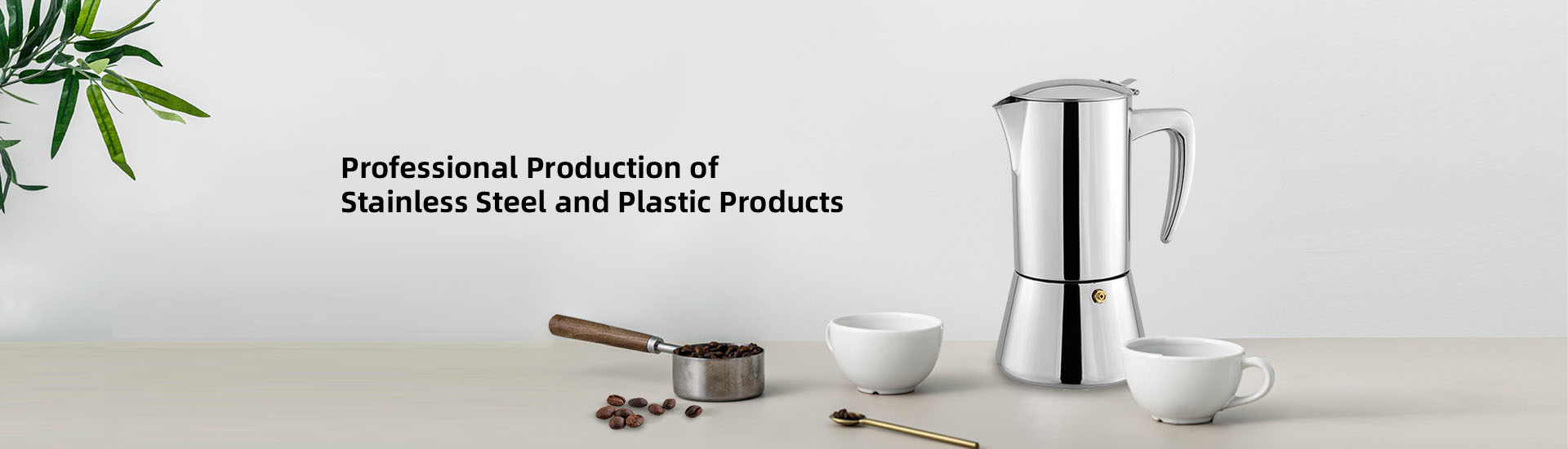
A successful kitchenware product development process requires more than creating a product design and moving directly into production. From the first concept to final shipment, every stage must consider materials, manufacturing feasibility, quality standards, cost control, and market requirements.
For customized kitchen products, a structured development process helps reduce production risks, avoid unnecessary changes, and ensure the final product can be manufactured consistently at scale. A complete product development workflow usually includes concept planning, design review, prototyping, testing, production preparation, and quality verification. :contentReference[oaicite:0]{index=0}
SELLWELL supports OEM and odm kitchenware projects with integrated stainless steel processing and plastic injection capabilities, helping customers transform product ideas into reliable manufactured products.
The first stage of product development is turning an idea into a clear manufacturing requirement.
Before design begins, manufacturers need to confirm:
| Project Element | Key Information |
|---|---|
| Product function | Usage scenarios and customer needs |
| Product structure | Components and assembly requirements |
| Material | Stainless steel grade, plastic type, or other materials |
| Target market | Sales region and compliance requirements |
| Cost target | Expected production cost and positioning |
| Quantity | Estimated production volume |
A clear product brief helps engineers evaluate whether the design can be produced efficiently. Many production problems occur because product requirements are not fully defined before sampling.
For kitchen products, early decisions about material, structure, and manufacturing method directly affect future production cost and quality stability. :contentReference[oaicite:1]{index=1}
Material selection is one of the most important steps in developing kitchen products.
Common materials include:
| Material | Characteristics | Applications |
|---|---|---|
| 304 Stainless Steel | Corrosion resistance and durability | Kitchen utensils, coffee products |
| 316 Stainless Steel | Higher corrosion resistance | Premium applications |
| Food-grade Plastic | Lightweight and flexible | Handles, organizers, accessories |
A professional kitchenware manufacturer evaluates materials based on:
Product function
Food contact requirements
Production feasibility
Surface finish requirements
Cost objectives
For example, a stainless steel coffee maker may require different material and processing considerations compared with a simple utensil set because it involves multiple components and functional testing.
A product concept must be reviewed from a manufacturing perspective before production.
During engineering evaluation, manufacturers check:
Product structure
Assembly method
Material compatibility
Production difficulty
Tooling requirements
Potential quality risks
This stage is important because a product that looks attractive in design drawings may require adjustments to achieve stable mass production.
Direct cooperation with a manufacturer provides advantages because engineering teams can communicate directly with production teams. Compared with a trader, a manufacturer can provide practical suggestions based on actual manufacturing conditions.
Sampling allows the product design to be tested before bulk production.
A typical prototype process includes:
Product drawing review
Prototype preparation
Appearance inspection
Function testing
Sample modification
Final approval
Sample evaluation should focus on:
| Inspection Item | Purpose |
|---|---|
| Dimensions | Confirm design accuracy |
| Materials | Verify specifications |
| Function | Ensure practical performance |
| Surface finish | Check appearance quality |
| Assembly | Confirm component compatibility |
For OEM and ODM projects, the approved sample becomes the production reference for future manufacturing.
After sample confirmation, the factory develops the production workflow.
A complete kitchenware manufacturing process may include:
Stainless steel cutting
Metal forming
Welding
Polishing
Surface treatment
Plastic injection molding
Component assembly
Packaging
Different products require different manufacturing approaches.
| Product Type | Main Processes |
|---|---|
| Kitchen utensils | Cutting, forming, polishing, assembly |
| coffee makers | Metal processing, component assembly, function testing |
| Storage products | Stainless steel processing, plastic parts, packaging |
SELLWELL combines stainless steel manufacturing and plastic injection capabilities, allowing multiple processes to be managed within an integrated production system.
Quality control should be built into the development process instead of being added after production.
Important checkpoints include:
| Production Stage | Quality Control |
|---|---|
| Raw materials | Material verification |
| Forming | Dimension inspection |
| Welding | Strength and appearance |
| Polishing | Surface consistency |
| Assembly | Component matching |
| Final inspection | Function and appearance testing |
SELLWELL has established quality management systems and passed ISO 9001:2015 certification, together with factory audits including SMETA, BSCI, GMP, and SCAN.
A strong quality system helps ensure that mass production maintains the same standards as approved samples.
Before starting large-scale production, manufacturers should confirm:
Production capacity
Raw material availability
Manufacturing schedule
Quality standards
Packaging requirements
Shipping plan
Bulk supply requires more than producing a successful sample. The factory must maintain stable quality across thousands of units.
A manufacturer with complete production capability can better control:
Production efficiency
Cost management
Delivery schedules
Quality consistency
Kitchen products sold internationally must meet different market requirements.
The development process should consider:
Food contact material standards
Product testing
Packaging requirements
Labeling regulations
Export documentation
For example, the European Union requires food-contact materials to comply with Regulation EC No 1935/2004 to ensure materials do not transfer substances into food at levels that may affect consumer health.
Considering compliance during product development helps prevent delays after production is completed.
Before moving into production, evaluate:
| Category | Questions |
|---|---|
| Product design | Is the structure suitable for manufacturing? |
| Materials | Are specifications confirmed? |
| Prototype | Has the sample been tested and approved? |
| Manufacturing | Are processes clearly defined? |
| Quality | Are inspection standards established? |
| Capacity | Can bulk production be supported? |
| Compliance | Are export requirements understood? |
A complete kitchenware product development process connects design, engineering, manufacturing, quality control, and export preparation.
The right manufacturing partner should not only produce products but also help optimize designs, control production risks, and ensure stable supply.
With stainless steel processing, plastic injection capabilities, OEM and ODM experience, and established quality systems, SELLWELL provides integrated kitchenware development and manufacturing solutions for global markets.

 WhatsApp:
 Phone:
 Contact Now