
Building a complete kitchenware product line requires more than selecting individual products. A successful product portfolio should combine different categories, materials, price levels, and customer needs while maintaining consistent quality and brand positioning.
The global kitchenware market continues to expand as consumers focus more on home cooking, functional designs, and durable household products. Industry research shows that the global kitchenware market was valued at more than USD 70 billion in 2025 and is expected to continue growing in the coming years, driven by demand for cookware, storage products, tableware, and kitchen accessories. :contentReference[oaicite:0]{index=0}
For retailers developing a complete kitchenware collection, working with an experienced kitchenware manufacturer can simplify product development, improve consistency, and create a stronger product strategy.
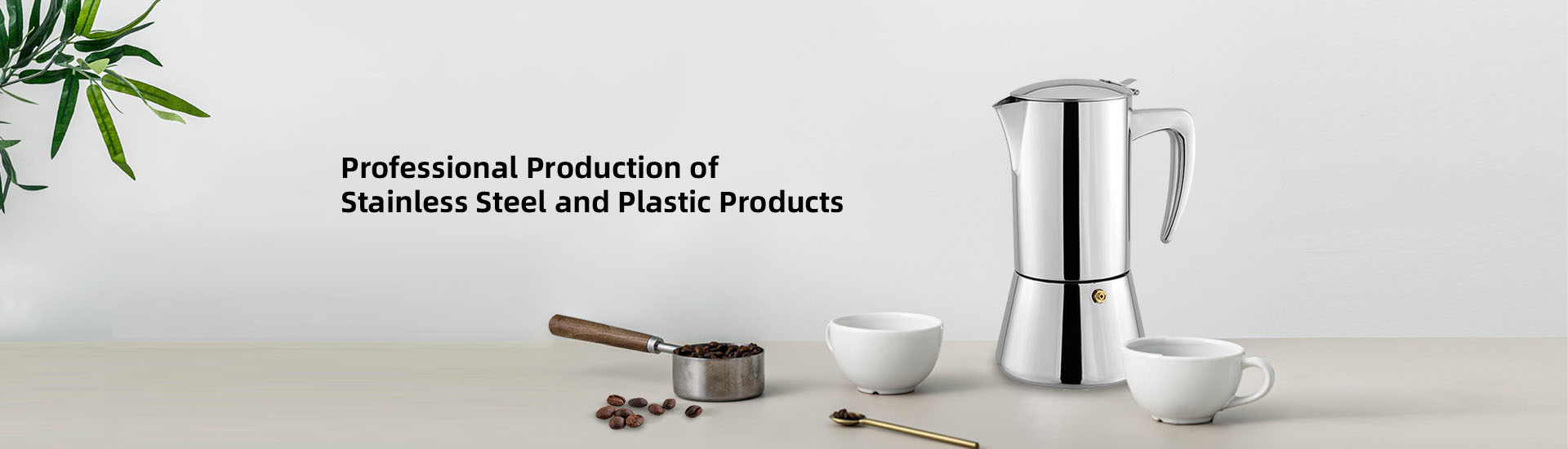
SELLWELL specializes in stainless steel and plastic household product manufacturing, providing OEM and ODM solutions covering kitchen tools, coffee products, Tea Makers, storage products, and household accessories.
A complete kitchenware product line should not simply contain many products. It should create a logical combination based on customer usage scenarios.
A balanced product portfolio usually includes:
| Product Category | Main Purpose |
|---|---|
| Cooking Tools | Daily food preparation |
| Kitchen Utensils | Supporting cooking activities |
| Storage Products | Food organization and preservation |
| Drinkware | Coffee, tea, and beverage preparation |
| Bakeware | Baking and food presentation |
| Tableware | Dining experience improvement |
A complete product line allows customers to purchase related products together instead of choosing isolated items.
For example, a kitchen collection may combine stainless steel utensils, storage containers, coffee makers, and tea products under one consistent design concept.
Before developing a product line, define the target positioning.
Different markets may require different product combinations.
| Positioning | Product Focus |
|---|---|
| Entry Level | Practical products with competitive pricing |
| Mid Range | Better materials and improved design |
| Premium | Advanced functions, unique appearance, higher material standards |
A manufacturer with OEM and ODM experience can help adjust materials, structures, packaging, and production methods according to different market requirements.
One of the most effective ways to create a complete kitchenware line is developing product families.
A product family shares:
Similar design language
Matching materials
Consistent colors
Unified packaging style
Related functions
For example:
| Product Family | Possible Products |
|---|---|
| Stainless Steel Collection | Kettles, containers, utensils |
| Coffee Collection | Coffee makers, tea makers, accessories |
| Kitchen Organization Collection | Storage racks, organizers, containers |
This approach improves brand recognition and makes product expansion easier.
Material selection affects product quality, pricing, and market acceptance.
Common kitchenware materials include:
| Material | Advantages |
|---|---|
| 304 Stainless Steel | Durable, corrosion resistant, widely used |
| 316 Stainless Steel | Higher corrosion resistance |
| Food Grade Plastic | Lightweight and flexible design options |
| Glass | Transparent appearance and premium feeling |
Stainless steel remains one of the important materials in kitchenware manufacturing because of its durability, hygiene characteristics, and long service life. Industry data indicates stainless steel held a significant share of the kitchenware market by material due to strong demand for durable household products. :contentReference[oaicite:1]{index=1}
A professional manufacturer helps evaluate the best material according to product function, cost requirements, and market expectations.
Building a complete product line often requires customization.
A capable OEM and ODM manufacturer can support:
Product concept development
Design evaluation
Material selection
Prototype production
Sample approval
Bulk manufacturing
Quality inspection
Packaging preparation
| Development Stage | Manufacturer Support |
|---|---|
| Concept | Product suggestions and feasibility review |
| Design | Structure optimization |
| Sampling | Prototype development |
| Production | Manufacturing control |
| Launch | Packaging and export support |
Compared with working with multiple traders, direct cooperation with a manufacturer provides better control over product consistency and technical communication.
A complete kitchenware product line may involve different manufacturing processes.
A reliable supplier should have experience with:
Stainless steel forming
Welding
Polishing
Plastic injection molding
Assembly
Packaging
| Manufacturing Process | Related Products |
|---|---|
| Stainless steel processing | Kettles, containers, utensils |
| Plastic injection molding | Handles, accessories, organizers |
| Assembly | Coffee products and kitchen appliances |
| Surface finishing | Premium kitchen products |
SELLWELL combines stainless steel processing and plastic injection molding capabilities, allowing different product categories to be developed under one manufacturing system.
When expanding a product line, quality consistency becomes more important.
A complete quality control system should include:
| Inspection Stage | Quality Check |
|---|---|
| Raw Material | Verify material specifications |
| Production | Monitor manufacturing process |
| Surface Treatment | Check appearance consistency |
| Assembly | Confirm product function |
| Final Inspection | Approve shipment quality |
A unified quality system helps ensure different products maintain the same brand standard.
SELLWELL has established quality management systems and passed ISO 9001:2015 certification, together with factory audits including SMETA, BSCI, GMP, and SCAN.
A complete kitchenware collection usually involves multiple products launching together.
Before bulk production, consider:
Product quantity
Production capacity
Material availability
Packaging requirements
Delivery schedule
Quality standards
A manufacturer with integrated production capability can coordinate multiple product categories more efficiently.
Before creating a kitchenware collection, evaluate:
| Category | Key Questions |
|---|---|
| Product Strategy | Are categories clearly defined? |
| Materials | Are material standards confirmed? |
| Design | Do products share a consistent style? |
| Manufacturing | Can production scale support demand? |
| Quality | Are inspection standards established? |
| Compliance | Are export requirements understood? |
The choice between a manufacturer and trader affects product development efficiency.
A direct manufacturer can provide:
Production transparency
Engineering support
Faster problem solving
Better customization ability
Direct quality control
A trader may provide product sourcing convenience, but manufacturing details and quality management often depend on external factories.
For developing a complete kitchenware product line, working with a manufacturer provides stronger control from product design to final production.
Creating a complete kitchenware product line requires a combination of market understanding, product planning, manufacturing capability, and quality management.
A reliable kitchenware manufacturer should help not only with production but also with product development, material selection, customization, and long-term supply stability.
With stainless steel processing, plastic injection molding, OEM and ODM experience, and established quality systems, SELLWELL provides integrated kitchenware manufacturing solutions for global markets.

 WhatsApp:
 Phone:
 Contact Now