
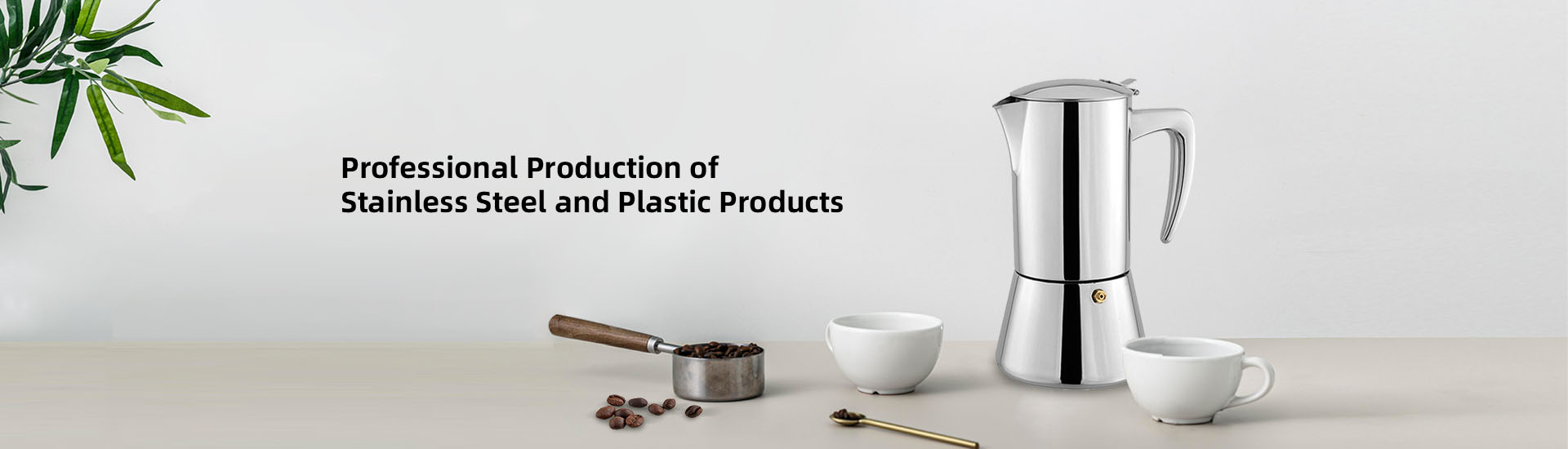
Classic kettle designs attract consumers through timeless appearance and durability, while modern kettle designs focus on convenience, functionality, and contemporary lifestyles. Both styles have global market opportunities based on different customer needs.
Classic and modern kettles represent different approaches to kitchen product design.
A classic kettle design emphasizes traditional shapes, stainless steel craftsmanship, and long-lasting usability. It often includes features such as curved bodies, ergonomic handles, and whistle mechanisms.
A modern kettle design focuses on updated functions, streamlined appearance, and user convenience. It may include electric heating, temperature control, smart features, and minimalist styling.
For manufacturers, these design differences influence materials, production processes, customization options, and target market positioning.
Classic kettles continue to attract consumers because of their timeless style and reliable performance.
Their advantages include:
Long-lasting design appeal
Strong connection with traditional kitchens
Durable material perception
Simple operation
Premium cookware appearance
Classic stainless steel kettles are commonly used in:
Traditional household markets
Premium kitchenware collections
Gift product categories
Hospitality environments
From a manufacturing perspective, classic kettle production focuses on:
Metal forming
Surface finishing
Handle design
Structural stability
Product durability
Modern kettles match changing lifestyles that prioritize convenience and efficiency.
Their advantages include:
Faster operation
Space-saving design
Improved user experience
Additional functions
Contemporary appearance
Modern kettle features may include:
Temperature adjustment
Automatic shut-off
Digital controls
Improved insulation
Compact structures
These features make modern kettles attractive to consumers seeking efficient kitchen solutions.
Both styles provide different types of product value.
| Comparison Factor | Classic Kettle Design | Modern Kettle Design |
|---|---|---|
| Design Focus | Timeless appearance | Convenience and functionality |
| Main Materials | Stainless steel and metal | Mixed materials and advanced components |
| User Experience | Traditional cooking experience | Smart and efficient operation |
| Product Positioning | Premium cookware | Modern kitchen appliance |
| Market Appeal | Heritage and durability | Innovation and convenience |
| Customization Direction | Shape and finishing | Functions and appearance |
The stronger style depends on customer expectations and regional preferences.
Classic kettle designs often create premium value through craftsmanship and material quality.
They are suitable for brands focusing on:
Stainless steel cookware
Traditional kitchen aesthetics
Luxury household products
Gift markets
Modern kettle designs create premium value through:
Advanced functions
Innovative appearance
Smart kitchen integration
Convenience features
Both approaches can support premium positioning in different market segments.
Modern kettle designs generally match current lifestyle trends because consumers increasingly value:
Time-saving products
Easy operation
Compact kitchen solutions
Functional improvements
However, classic designs remain attractive because many consumers continue to prefer durable products with recognizable kitchen aesthetics.
The production requirements differ according to design complexity.
Classic kettle manufacturing focuses on:
Stainless steel forming
Welding processes
Polishing
Surface treatment
Mechanical assembly
Modern kettle manufacturing may require:
Electrical integration
Component assembly
Function testing
Electronic control systems
Safety inspection
Manufacturers need different capabilities depending on product direction.
Both classic and modern kettles support customization.
Classic kettle customization may include:
Body shape
Capacity
Handle design
Whistle structure
Surface finish
Modern kettle customization may include:
Functions
Digital displays
Colors
Material combinations
User interface design
The best customization approach depends on brand positioning.
Yes. Many manufacturers combine classic appearances with modern improvements.
Examples include:
Induction-compatible stainless steel bases
Improved ergonomic handles
Modern surface finishes
Enhanced heat performance
Updated packaging designs
This approach allows brands to maintain traditional appeal while meeting current consumer expectations.
Material selection plays an important role in product appearance and performance.
Provides:
Durability
Premium appearance
Long service life
Provides:
Visual transparency
Modern design appeal
Provide:
Lightweight structures
Flexible styling options
The right material combination helps manufacturers create products for different markets.
Successful kettle development requires understanding both design trends and manufacturing feasibility.
Experienced manufacturers consider:
Material performance
Production processes
Product durability
Quality standards
Market requirements
This helps transform design concepts into reliable products.
Classic kettle designs maintain strong global appeal through durability, craftsmanship, and timeless aesthetics. Modern kettle designs continue to expand through convenience, technology, and lifestyle-focused features.
For manufacturers and brands, the best design choice depends on target markets, customer preferences, and product positioning.
Classic kettle designs are suitable for brands focusing on heritage, premium materials, and traditional kitchen experiences.
Modern kettle designs are suitable for brands focusing on convenience, innovation, and contemporary lifestyles.
Understanding global consumer needs helps brands select kettle designs with stronger market potential.

 WhatsApp:
 Phone:
 Contact Now
